Explore the Land of Artisans-SACM Visits Japan’s Arts and Crafts
From November 2 to 11, the delegation headed by Mr. Hu Muqing, president of Shanghai Art Collection Museum, paid a visit to Japan’s Kyoto, Ishikawa and Tokyo Prefectures at the invitations of Kyoto Prefecture and Hokuriku Bank.
The main purpose of the visit was to discuss the collaboration in the 7th International (Shanghai) Invitational Art Exhibition to be held in June 2017 with representatives from government departments, institutions and artists.
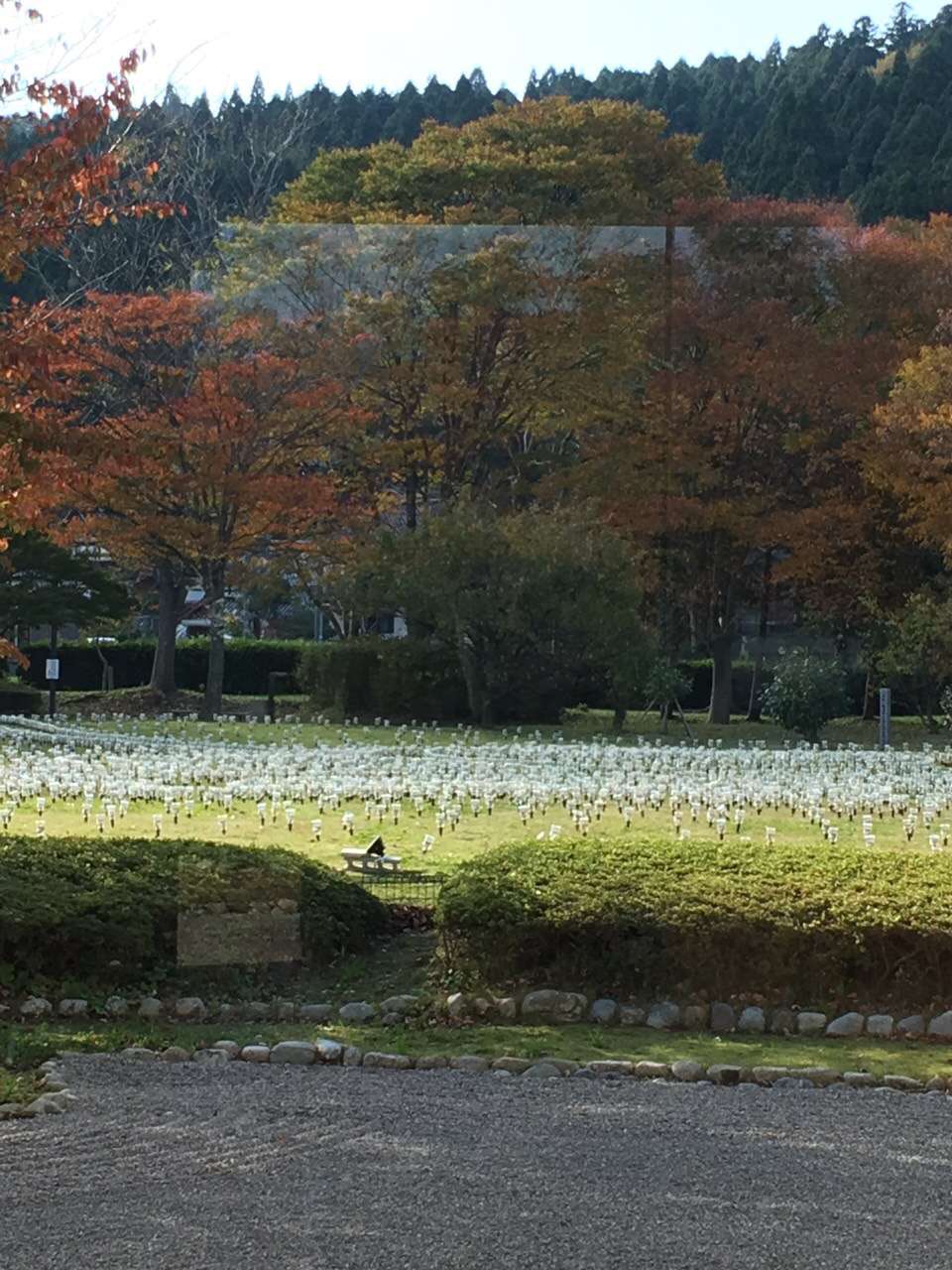
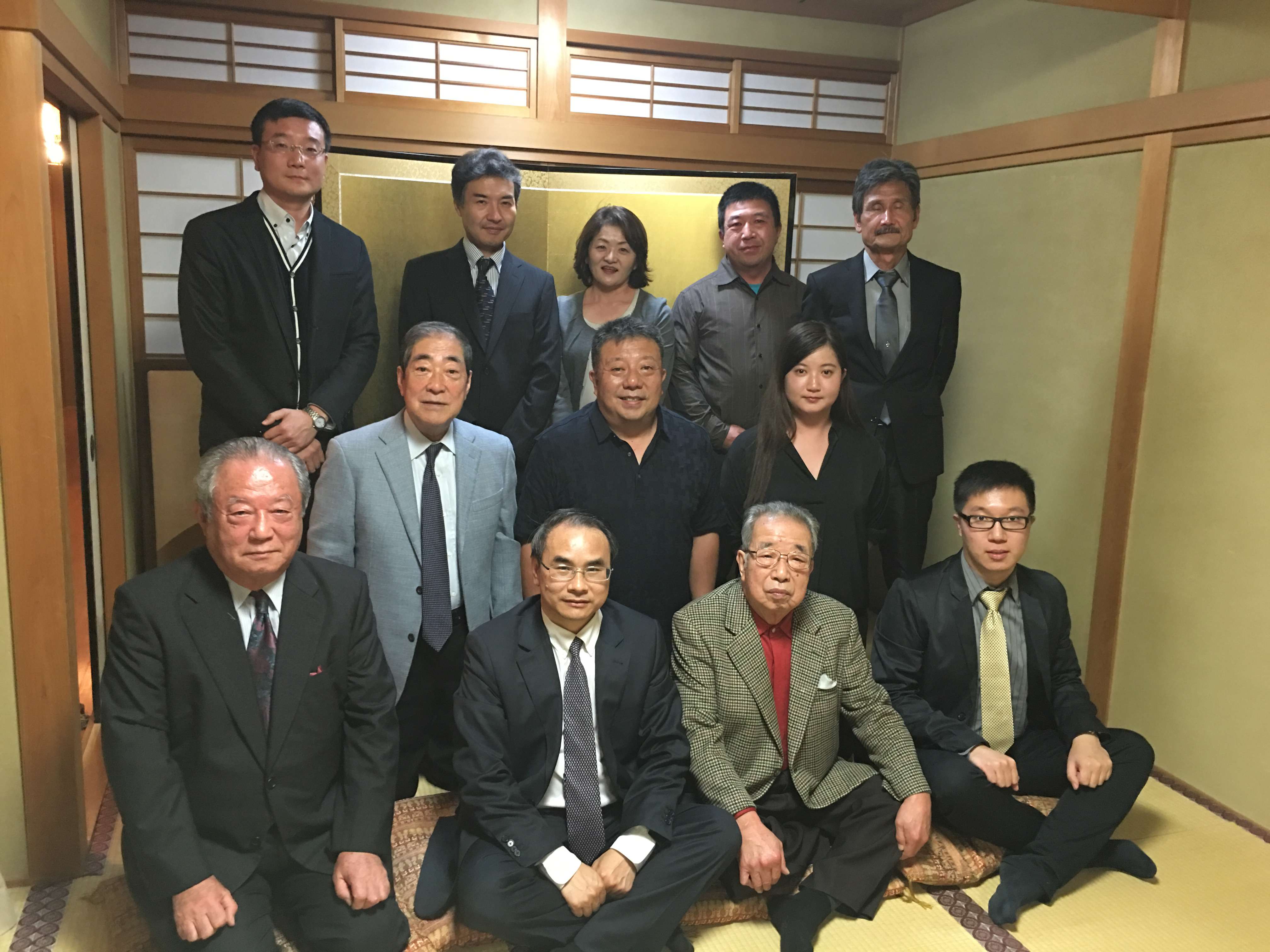
On the afternoon of the November 2, Ms. Noriko Yamamoto, Director of Culture and Art Promotion Division of the Kyoto Prefectural Government Office, hosted a special meeting with famous Japanese artists from the Kyoto Arts and Crafts Association, including president Noboru Hata and vice presidents Shoho Menya, Keijin Ihaya and Makimasa Imai.
The Kyoto Arts and Crafts Association, with a history of 70 years, is Japan’s largest regional group in the field of arts and crafts with a total of over 380 member artists, many of whom had participated in previous Chinese-Japanese-South Korean Art Exhibitions.
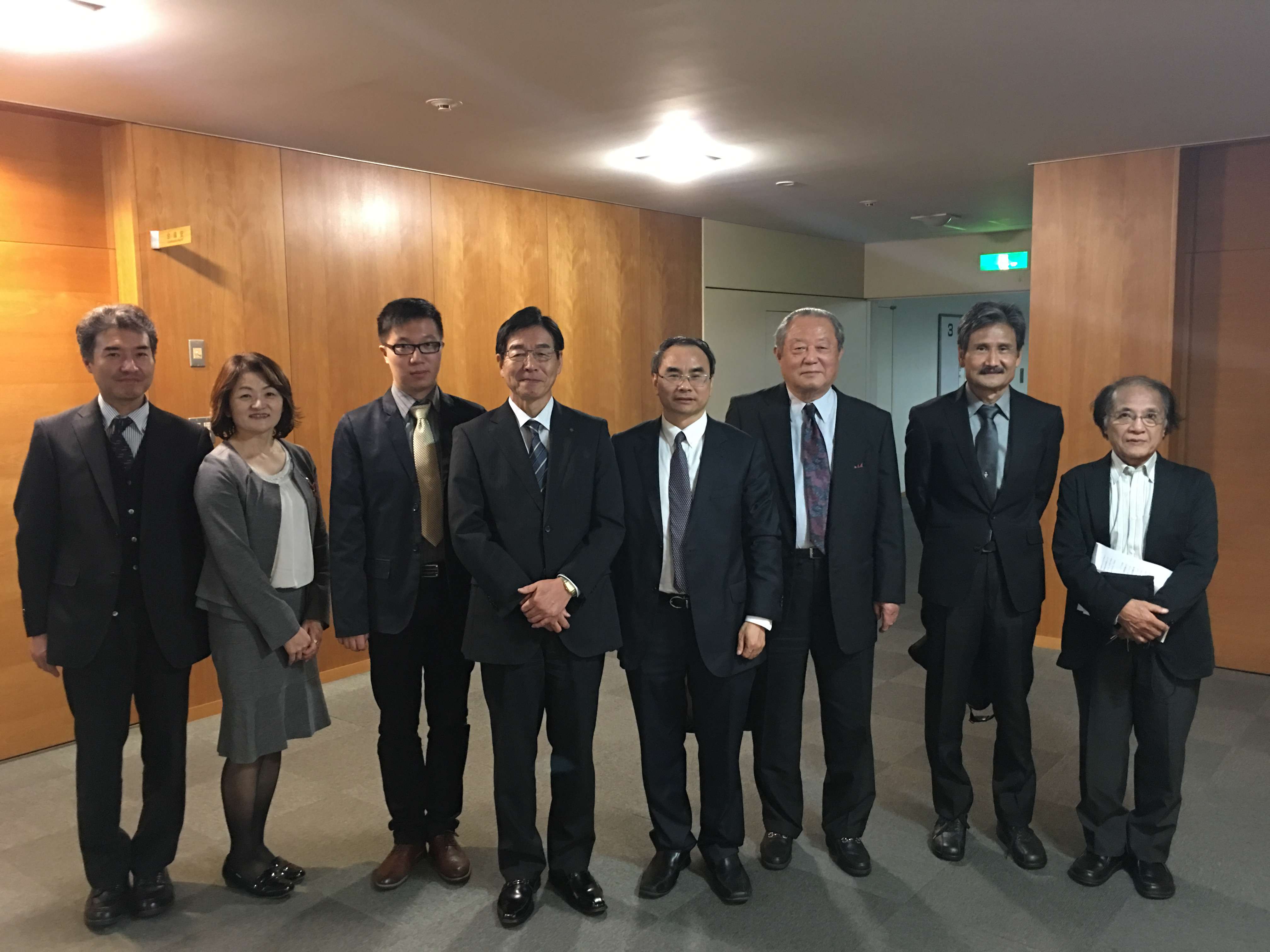
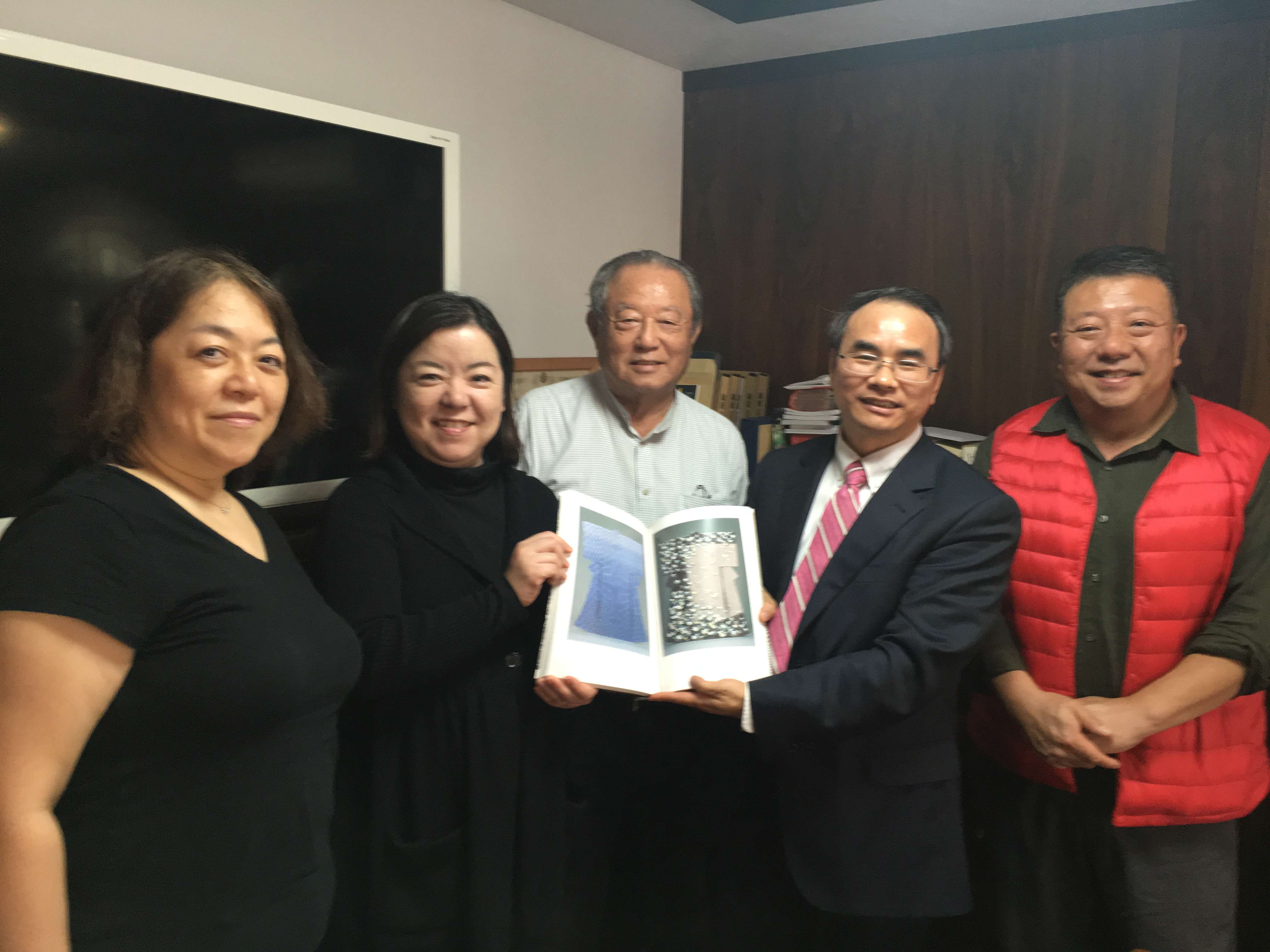
In a friendly atmosphere, the meeting established a strong foundation for future collaboration. Mr. Shuichi Yamauchi, vice-governor of Kyoto Prefecture, also kindly took a photograph with the delegation. Later in the evening, the delegation was welcomed by the association along with Mr. Masayuki Imai, Person of Cultural Merit and member of the Japan Art Academy.
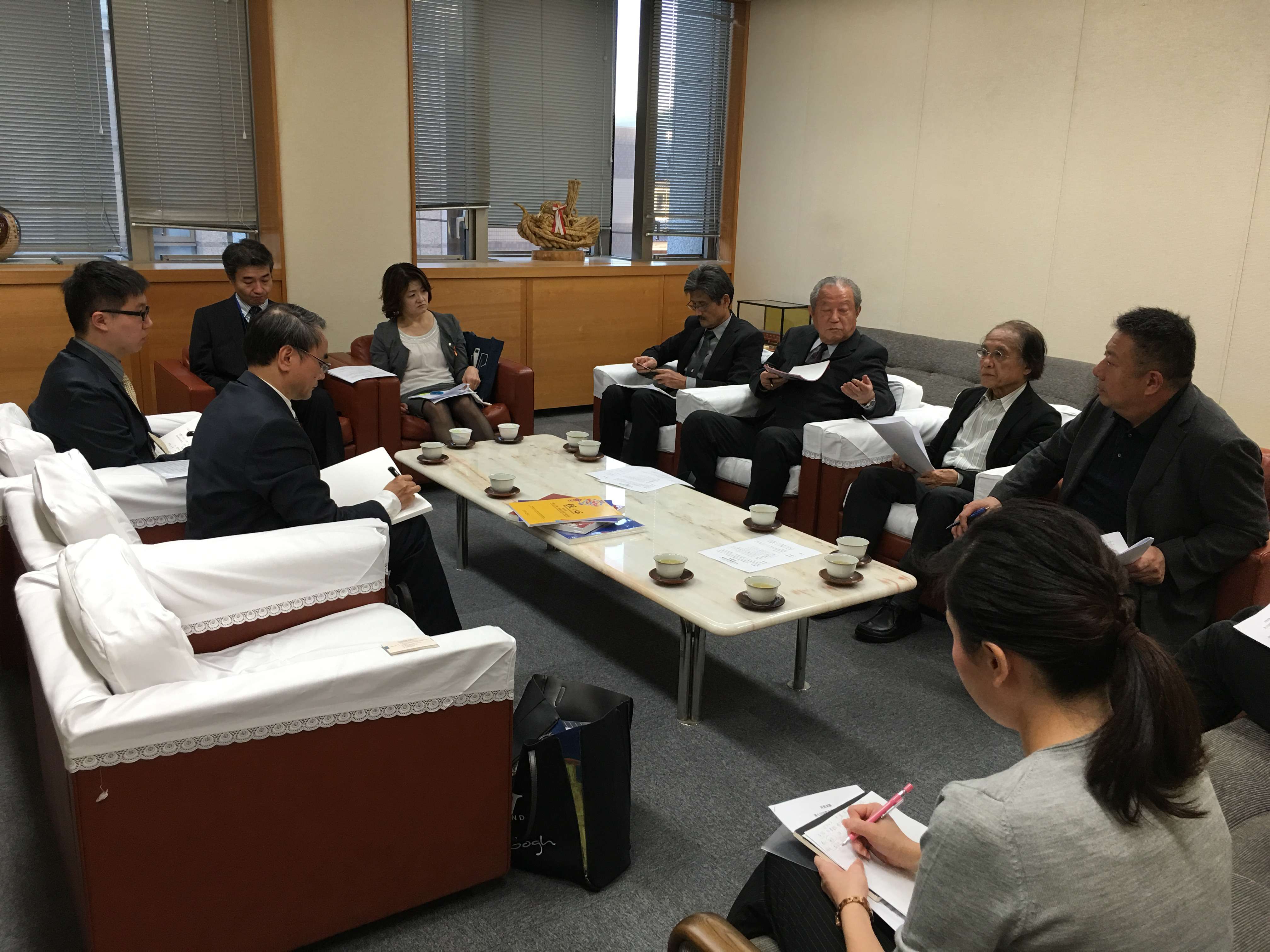
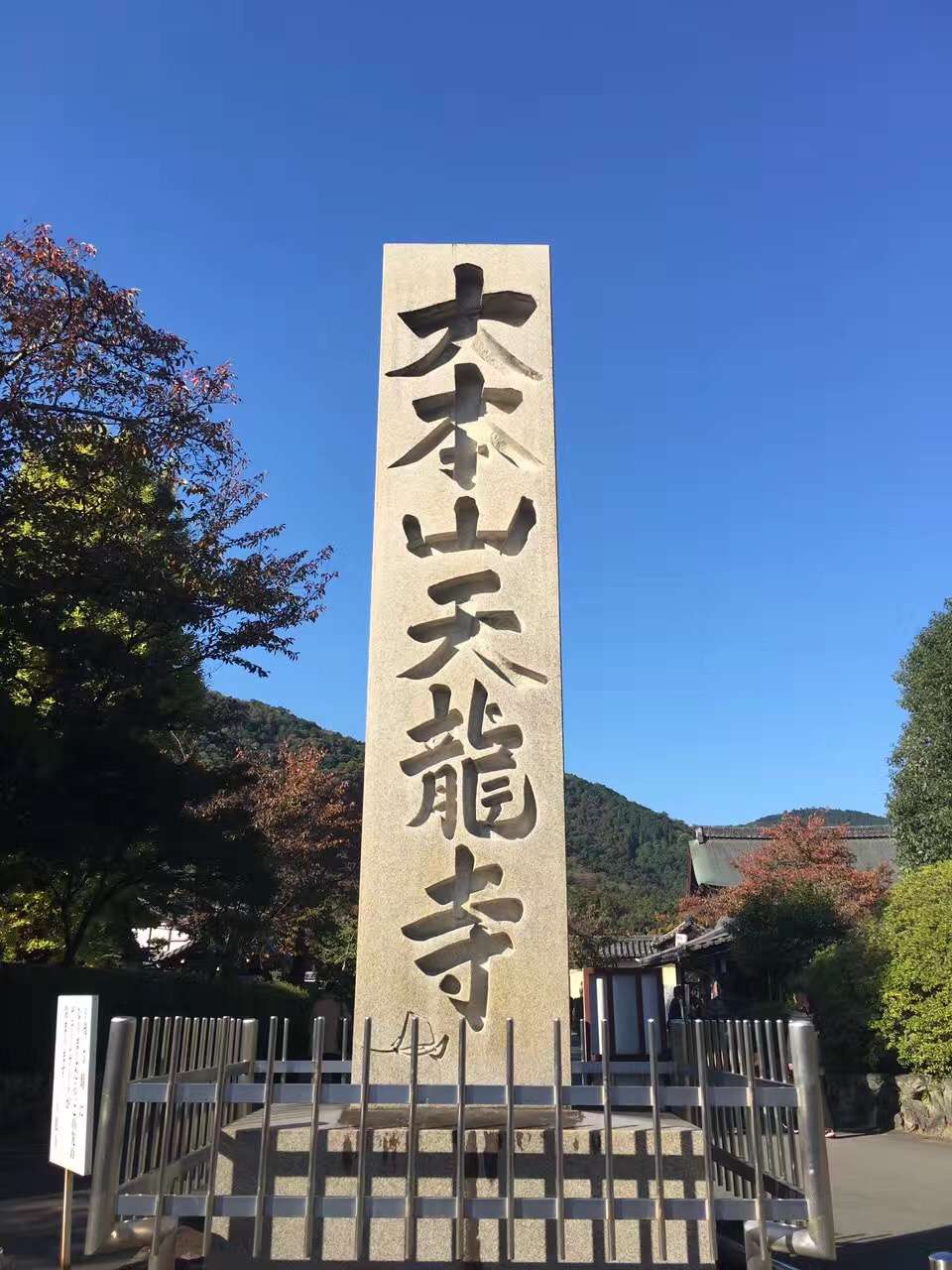
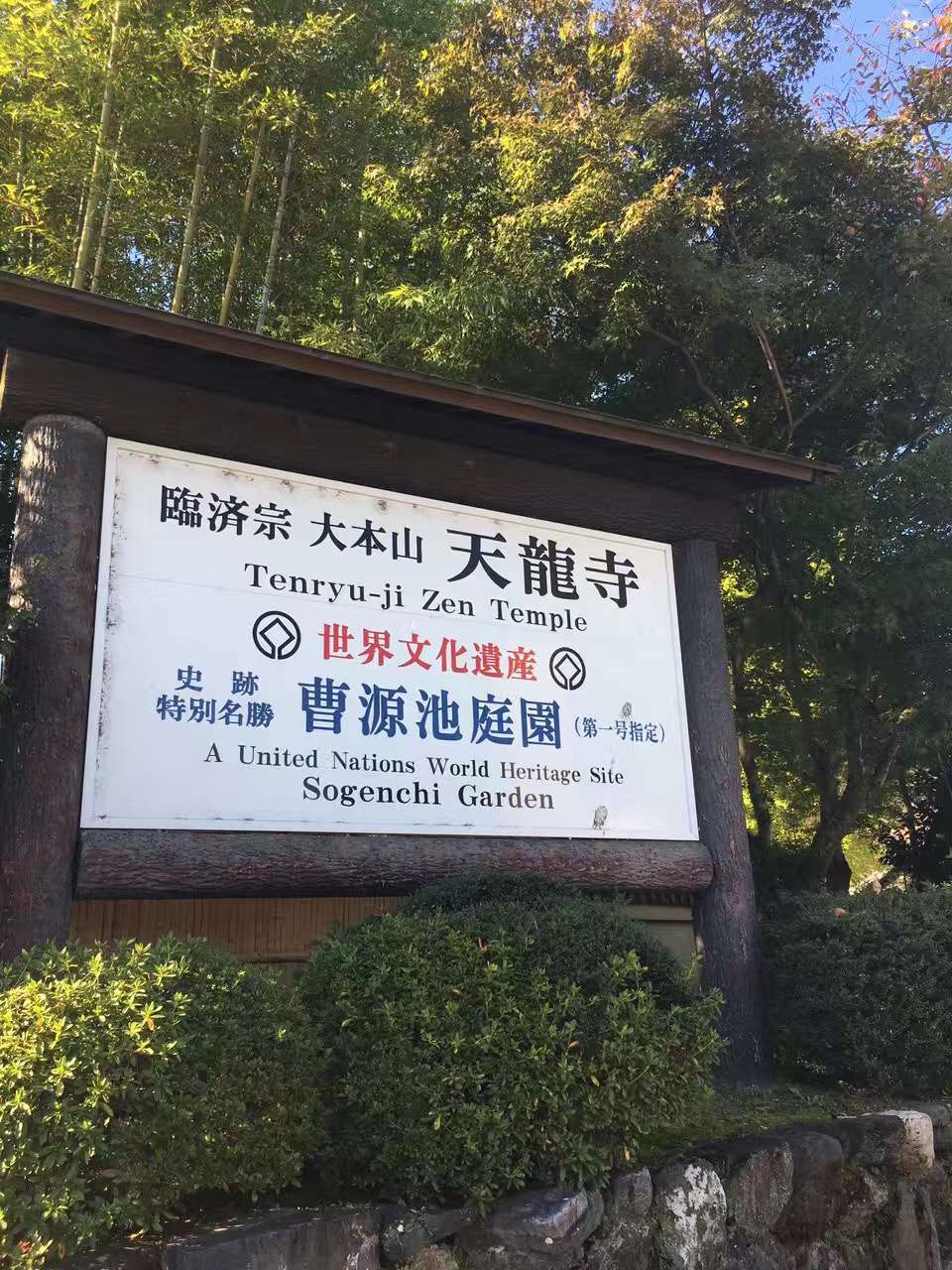
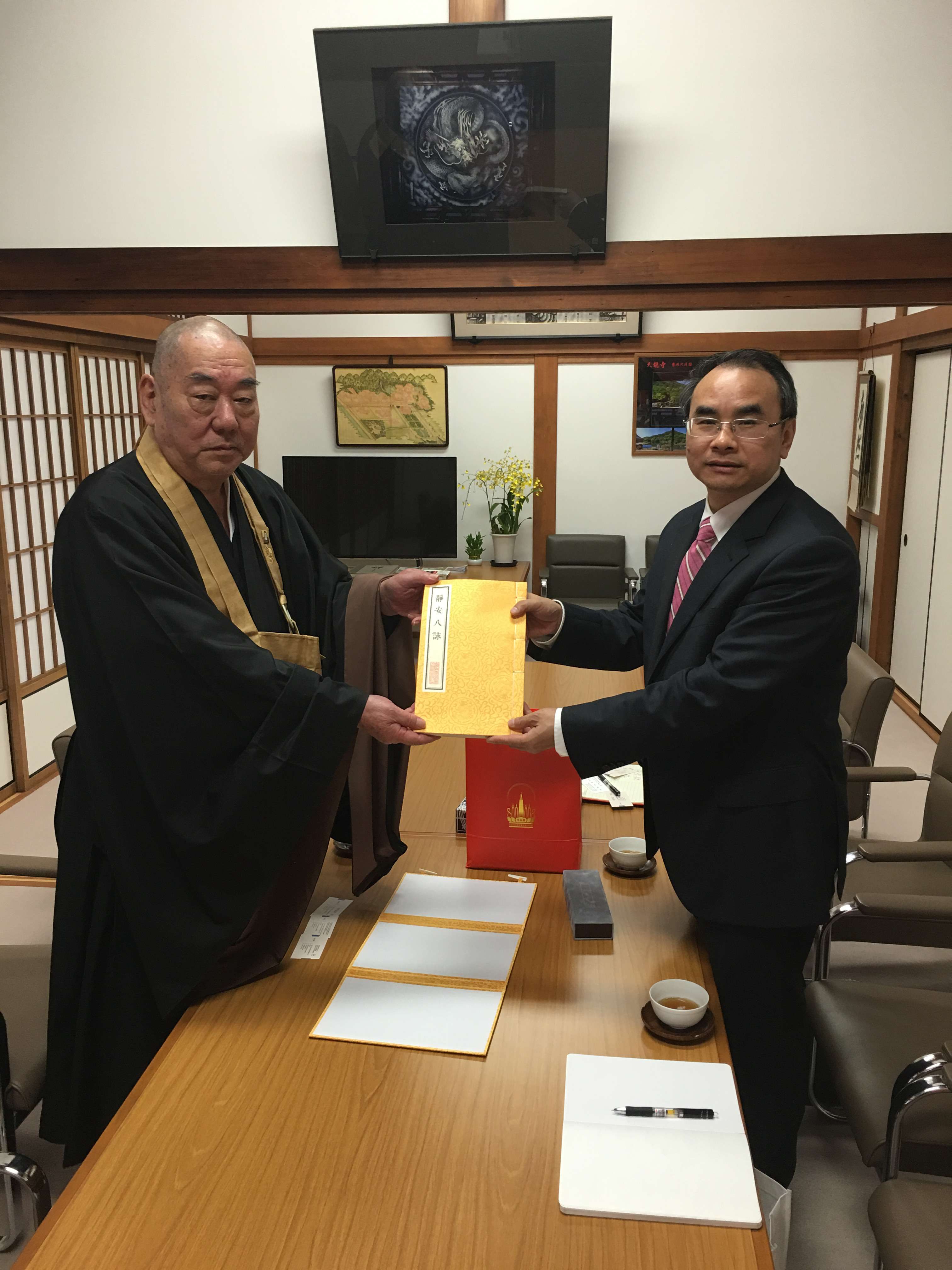
On the morning of November 3, the delegation arrived at World Heritage site Tenryu-ji temple under Mount Arashiyama to visit Mr. Gisen Tahara, head of the temple office. During the 5th Chinese-Japanese-South Korean Art Exhibition in 2015, Mr. Tahara organized a group of calligraphy works by accomplished Buddhist monks in Japan along with Mr. Raitei Arima, abbot of Kinkaku-ji temple. The delegation and Mr. Tahara discussed on future collaboration opportunities.
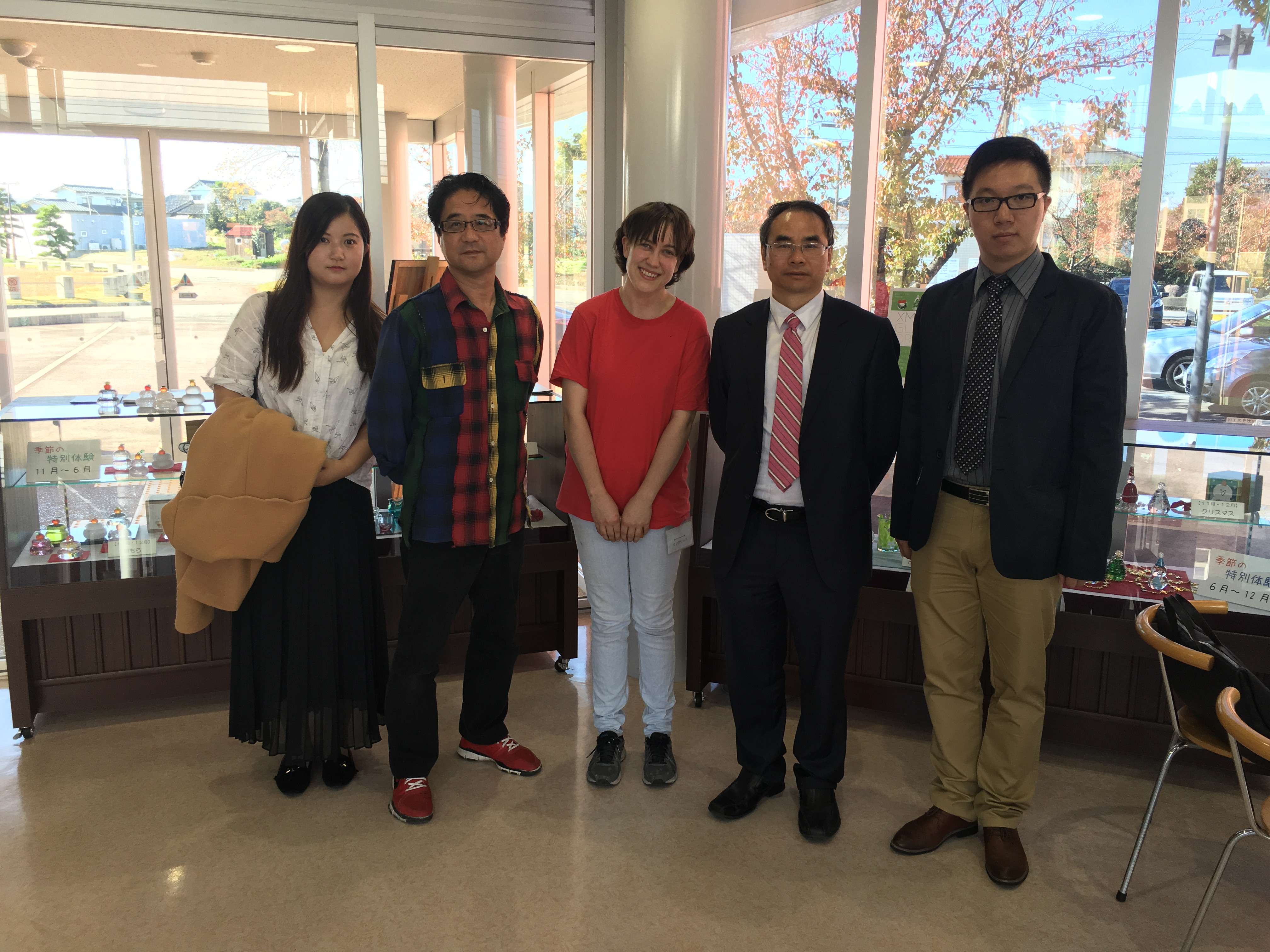
After Kyoto, the delegation arrived at Toyama - the “city of glass”, and visited the Toyama Glass Art Museum designed by Mr. Kengo Kuma, deeply impressed by the museum’s unique architectural style and the variety of its collection.
After Kyoto, the delegation arrived at Toyama - the “city of glass”, and visited the Toyama Glass Art Museum designed by Mr. Kengo Kuma, deeply impressed by the museum’s unique architectural style and the variety of its collection.
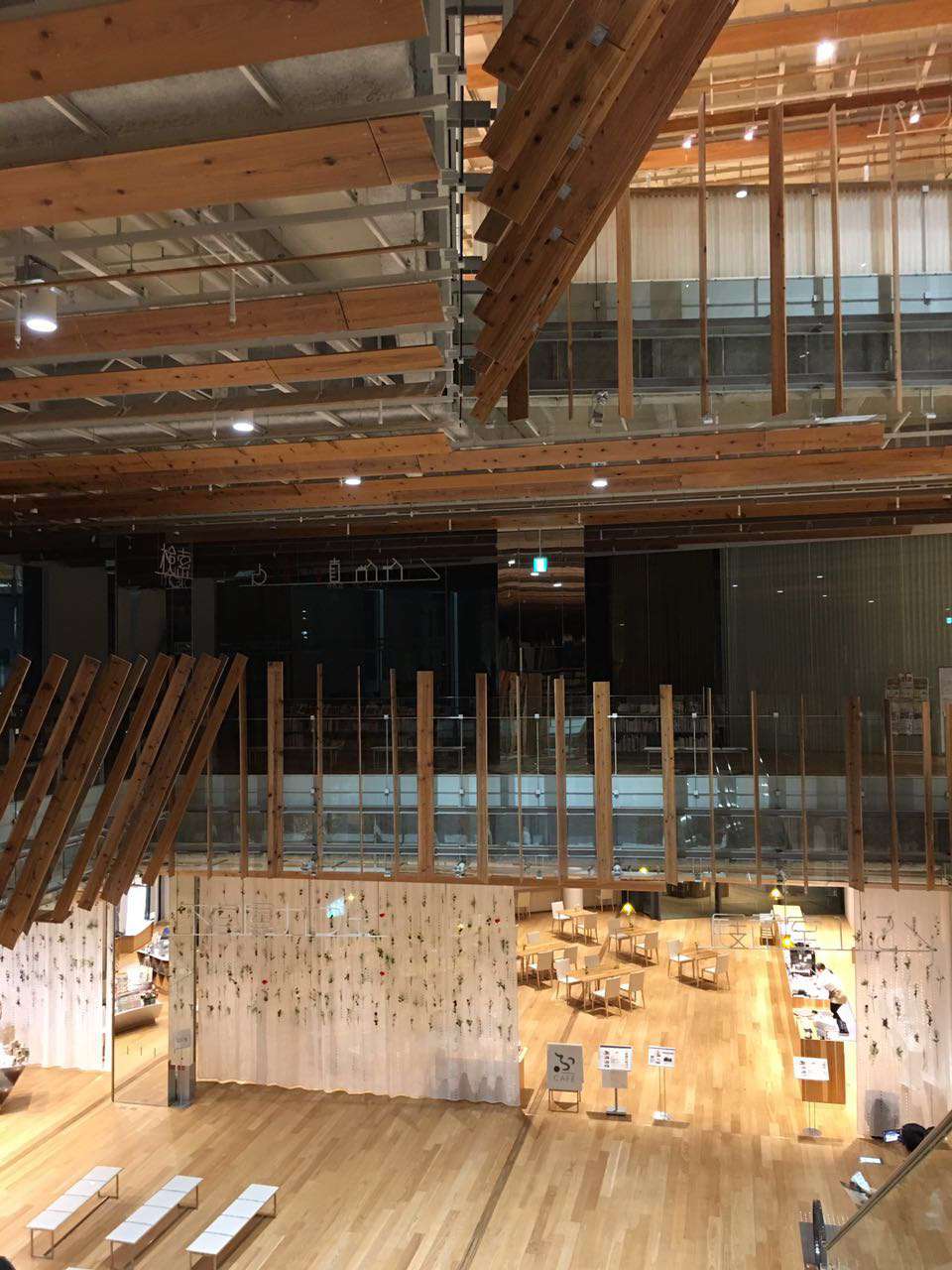
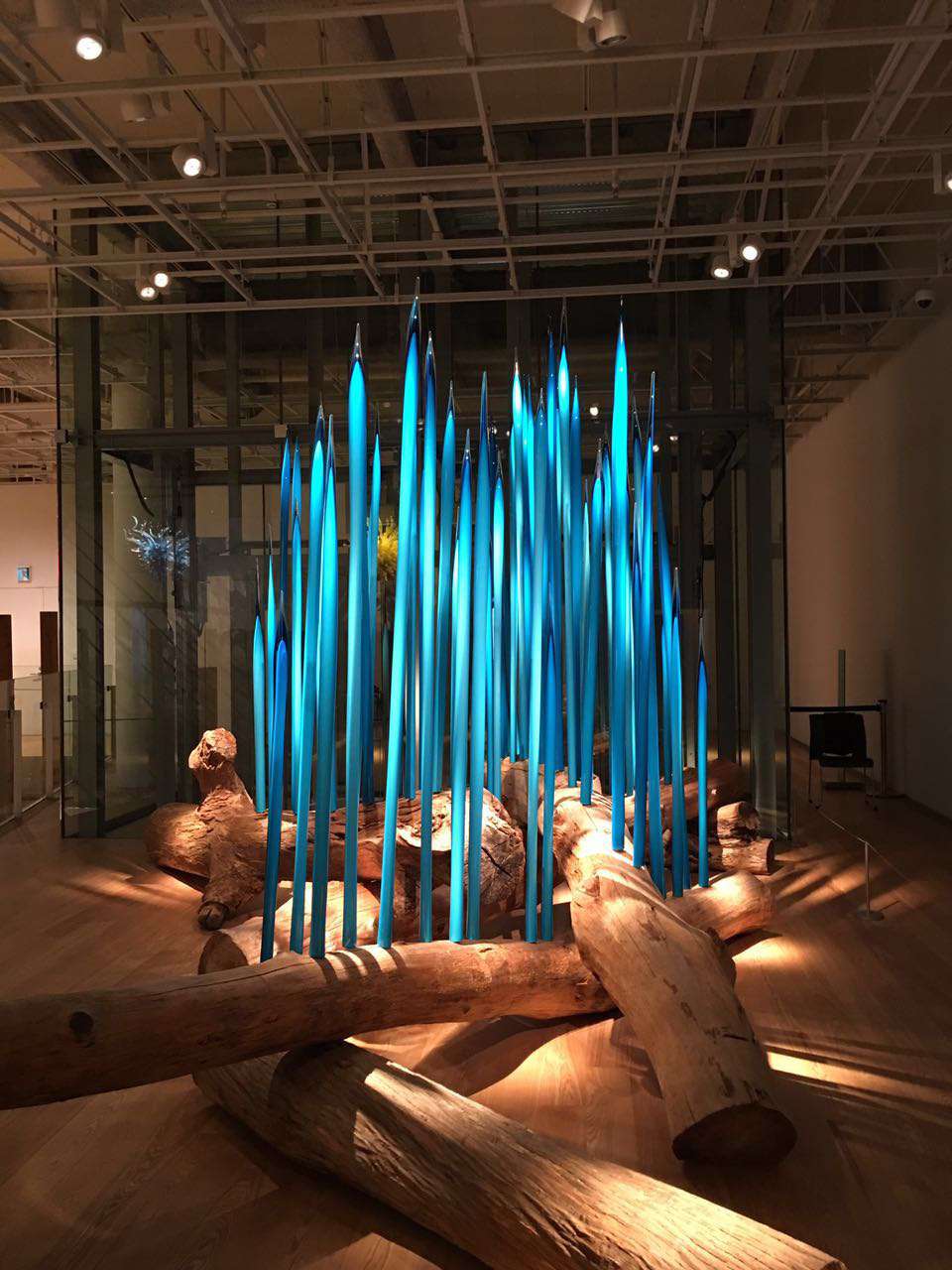
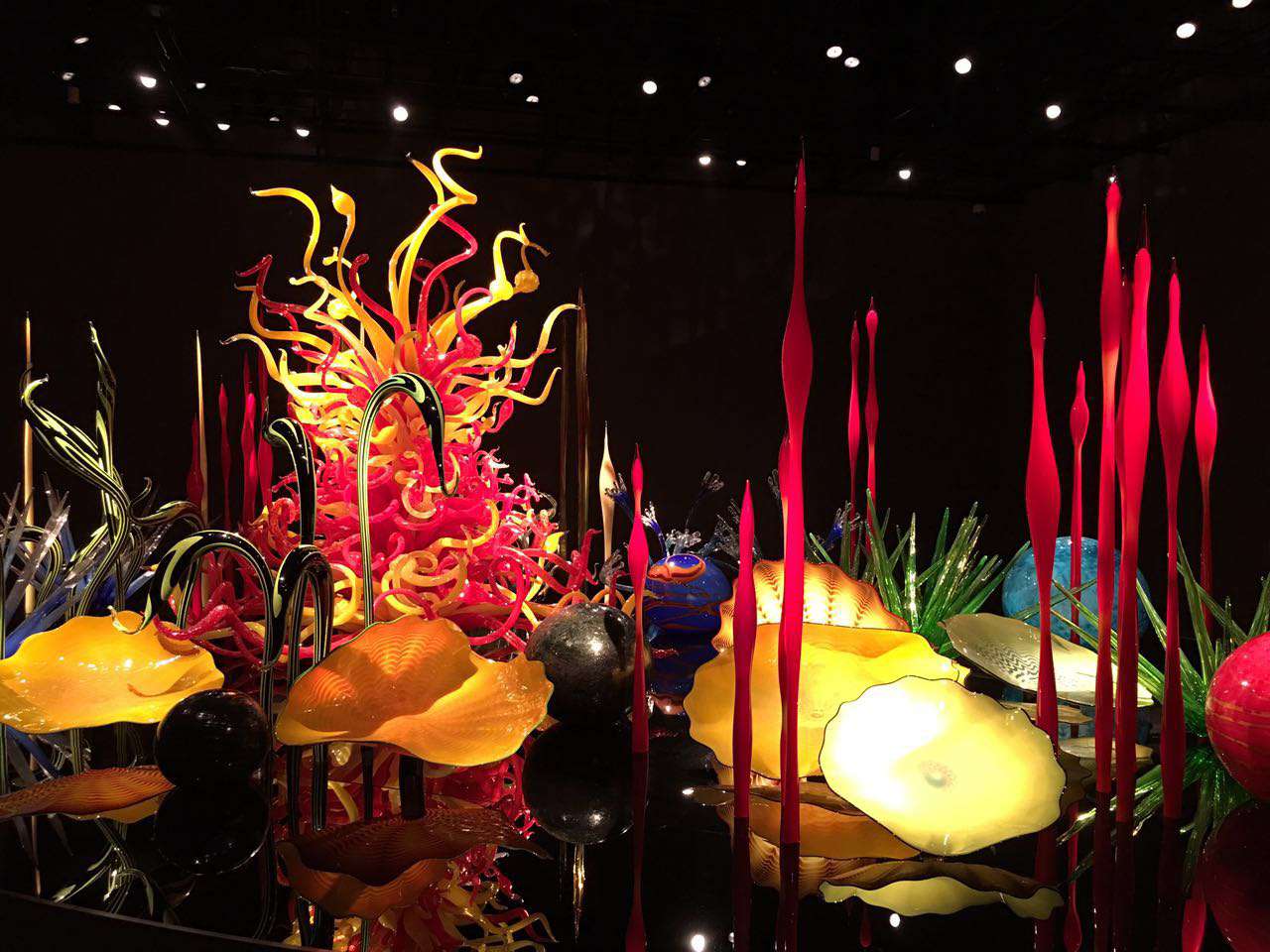
The next day, the delegation visited the Toyama Glass Studio, receiving warm reception from famous glass artist Yuuichi Noda, who has participated in previous Chinese-Japanese-South Korean Art Exhibitions with artists from the glass studio. Guided by Mr. Noda, the delegation visited the studio’s newly-built sections. Beside collaboration on future exhibitions, the meeting with Mr. Noda also discussed cooperation in art education, including students’ summer camps. During the stay in Toyama, the delegation had also visited multiple workshops and art studios with the accompany of Mr. Takahide Hamada, head of China office of Hokuriku Bank.
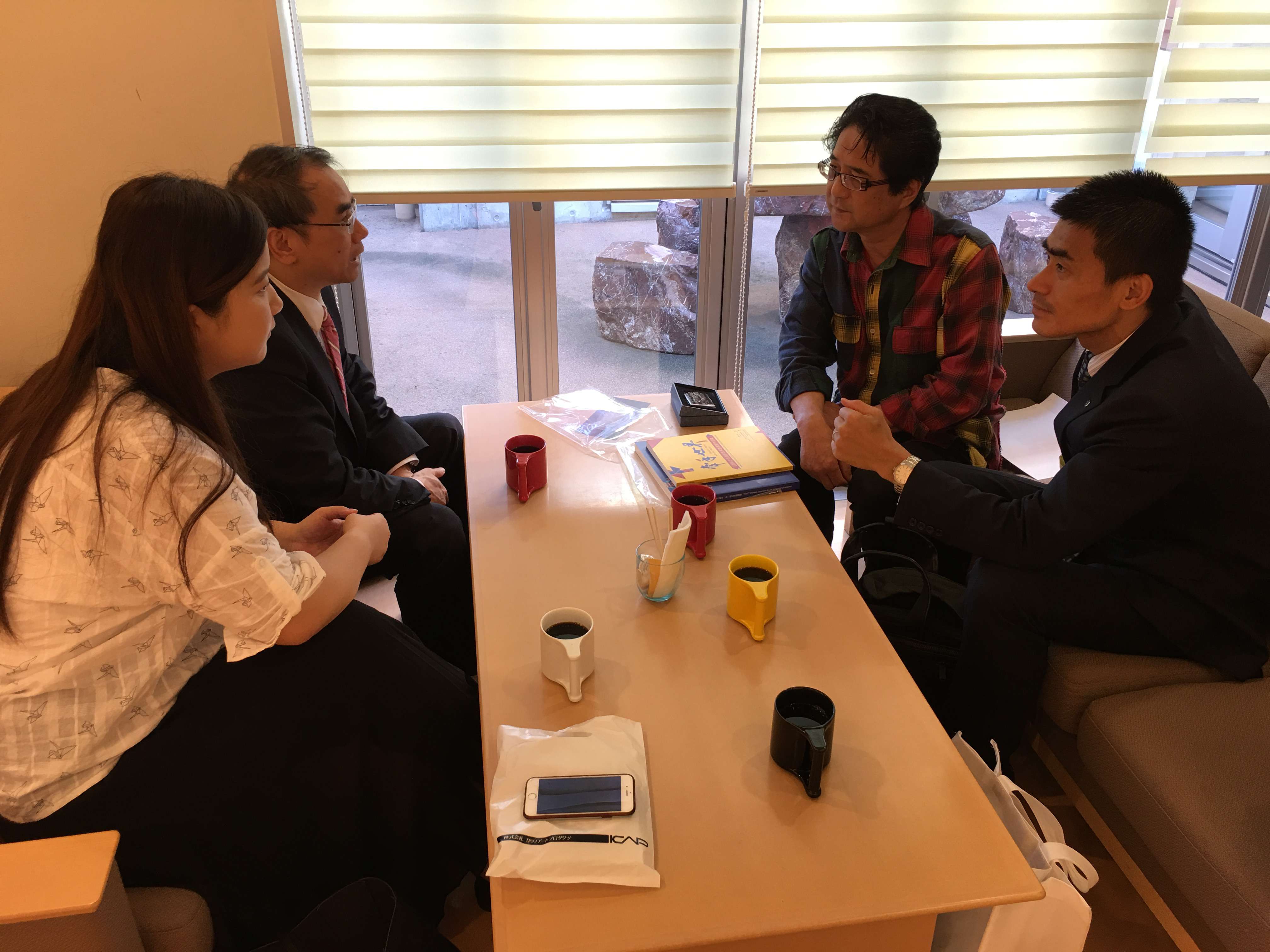
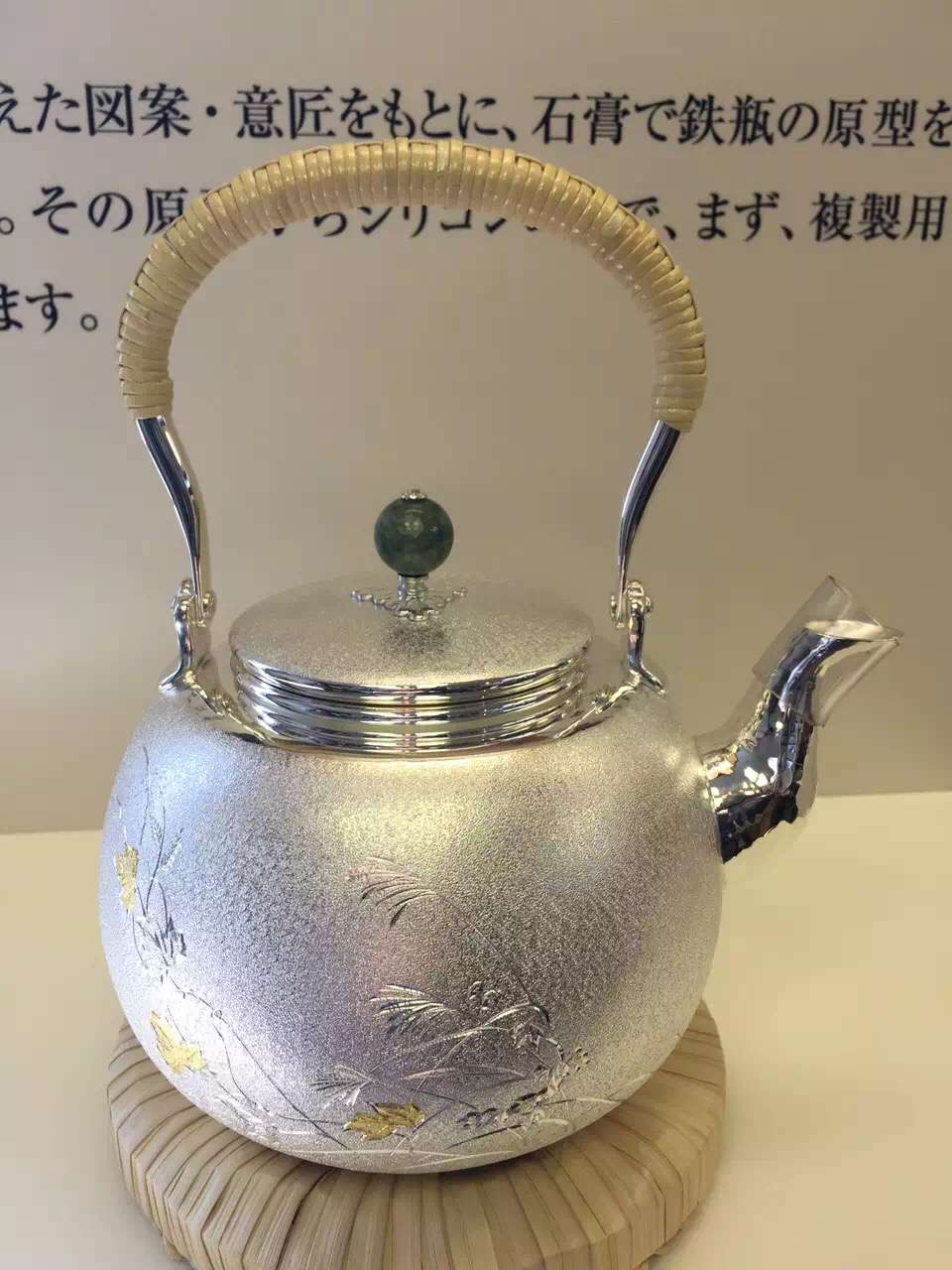
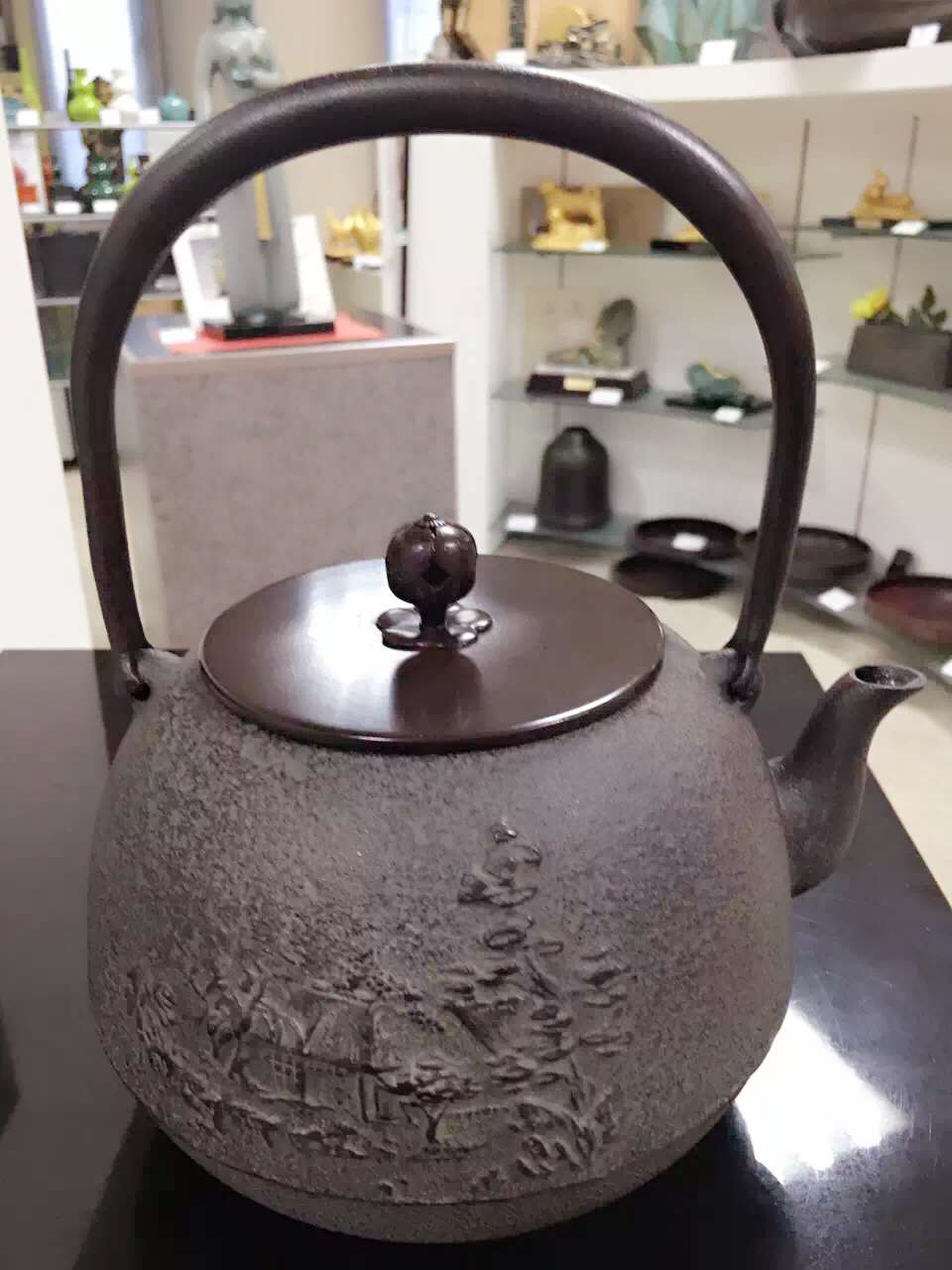
On the afternoon of November 5, the delegation arrived in Komatsu, Ishikawa, and visited the 3rd generation of Asakura Isokichi, famous Kutani ware artist and Nitten member, who had previously donated his work to the museum. Mr. Asakura not only introduced the works by all generations of his family but also accompanied the delegation in the Asakura Isokichi Museum named after his father and Order of Culture receiver, the 2nd generation of Asakura Isokichi.
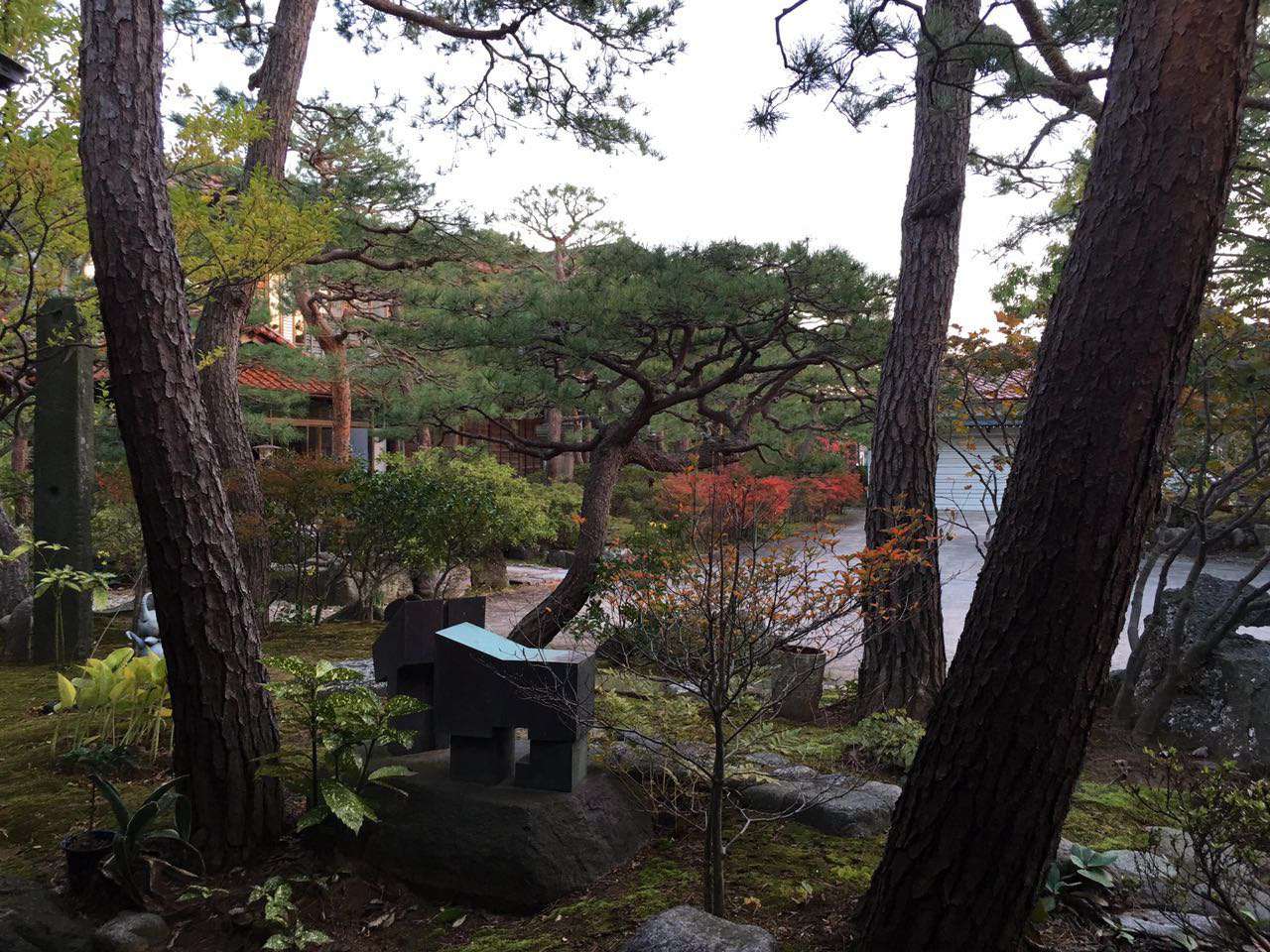
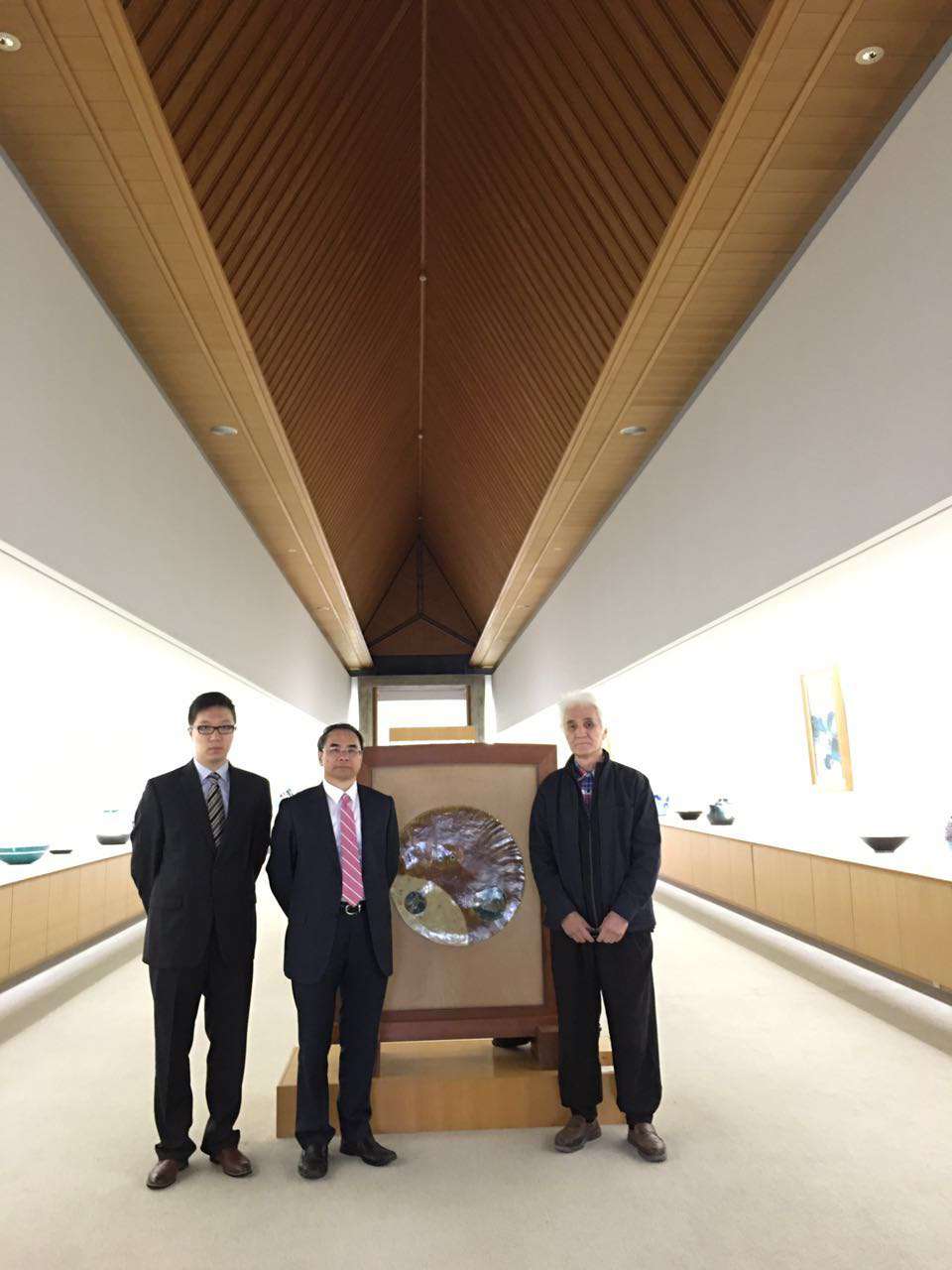
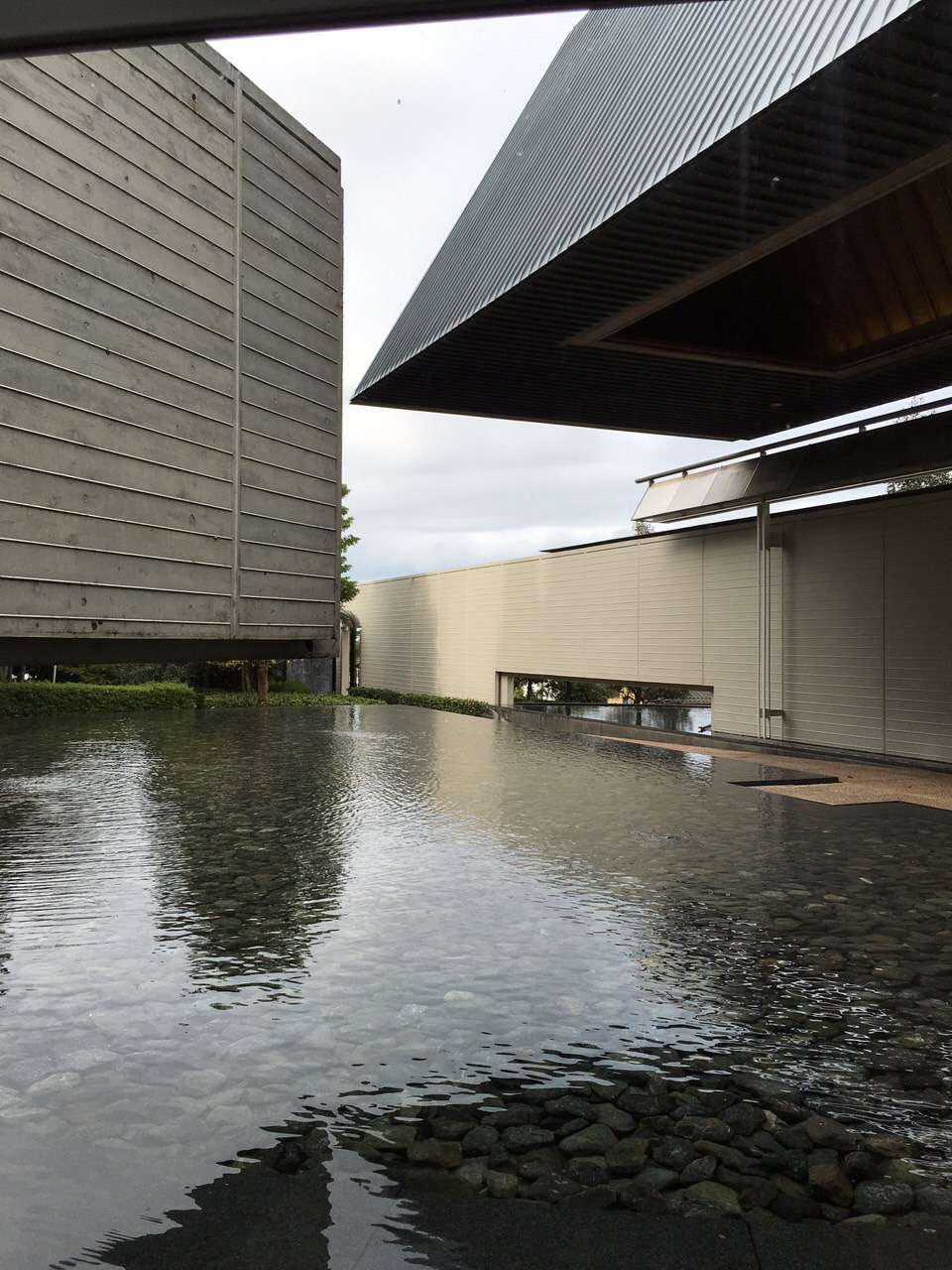
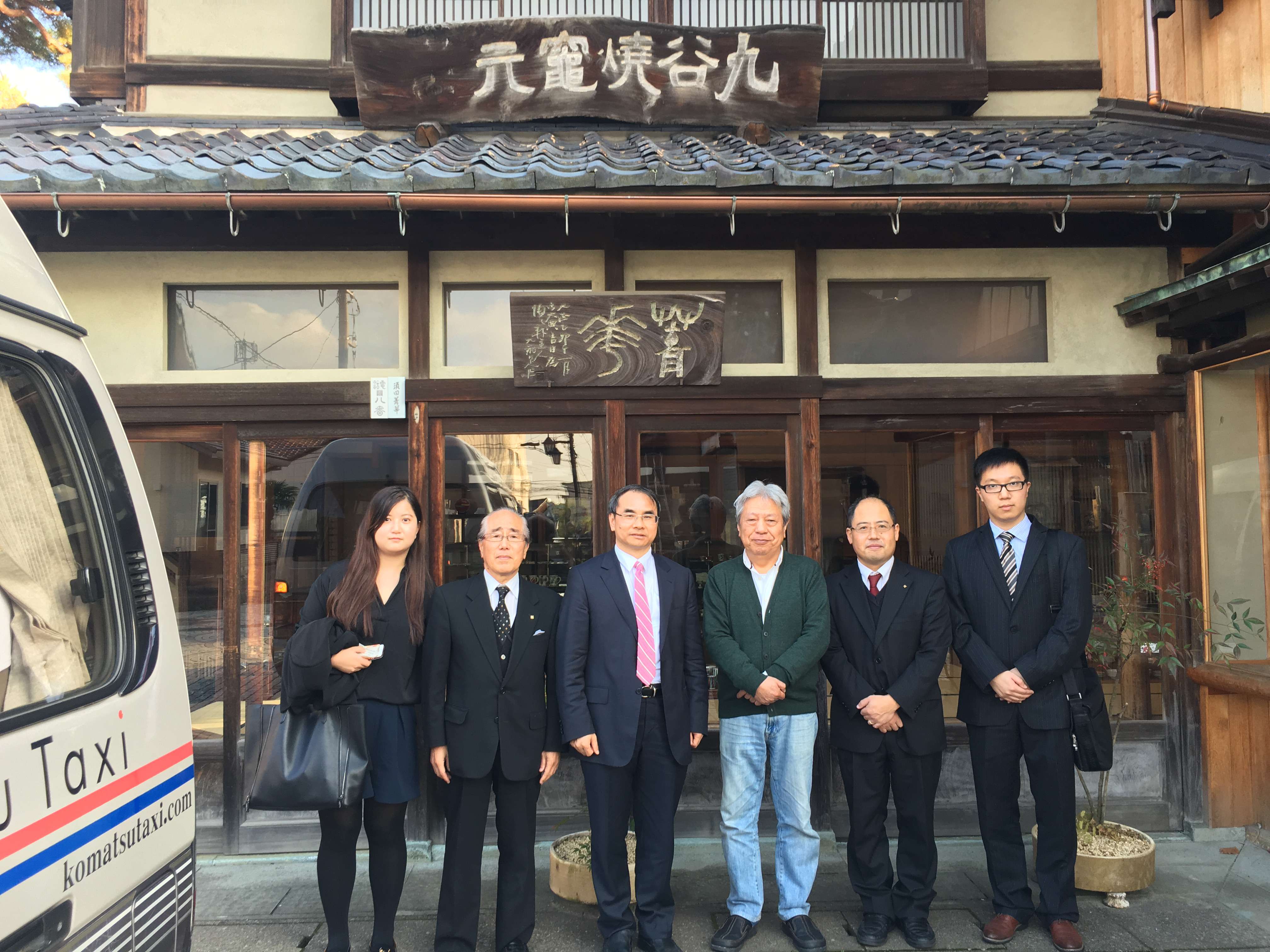
On the afternoon of November 6, the delegation visited the Ishikawa Kutani Art Museum in Kaga with the accompany of Mr. Takeaki Kashiwada, the museum’s deputy director and curator, who provided a thorough introduction on the history and characteristics of the famous Kutani ware. Later, the delegation visited the 4th generation of the historical Seika Suda kiln and had a better understanding about the kiln’s relation with Mr. Rosanjin Kitaoji, one of the most prestigious and influential masters in the history of Japan’s ceramics art.
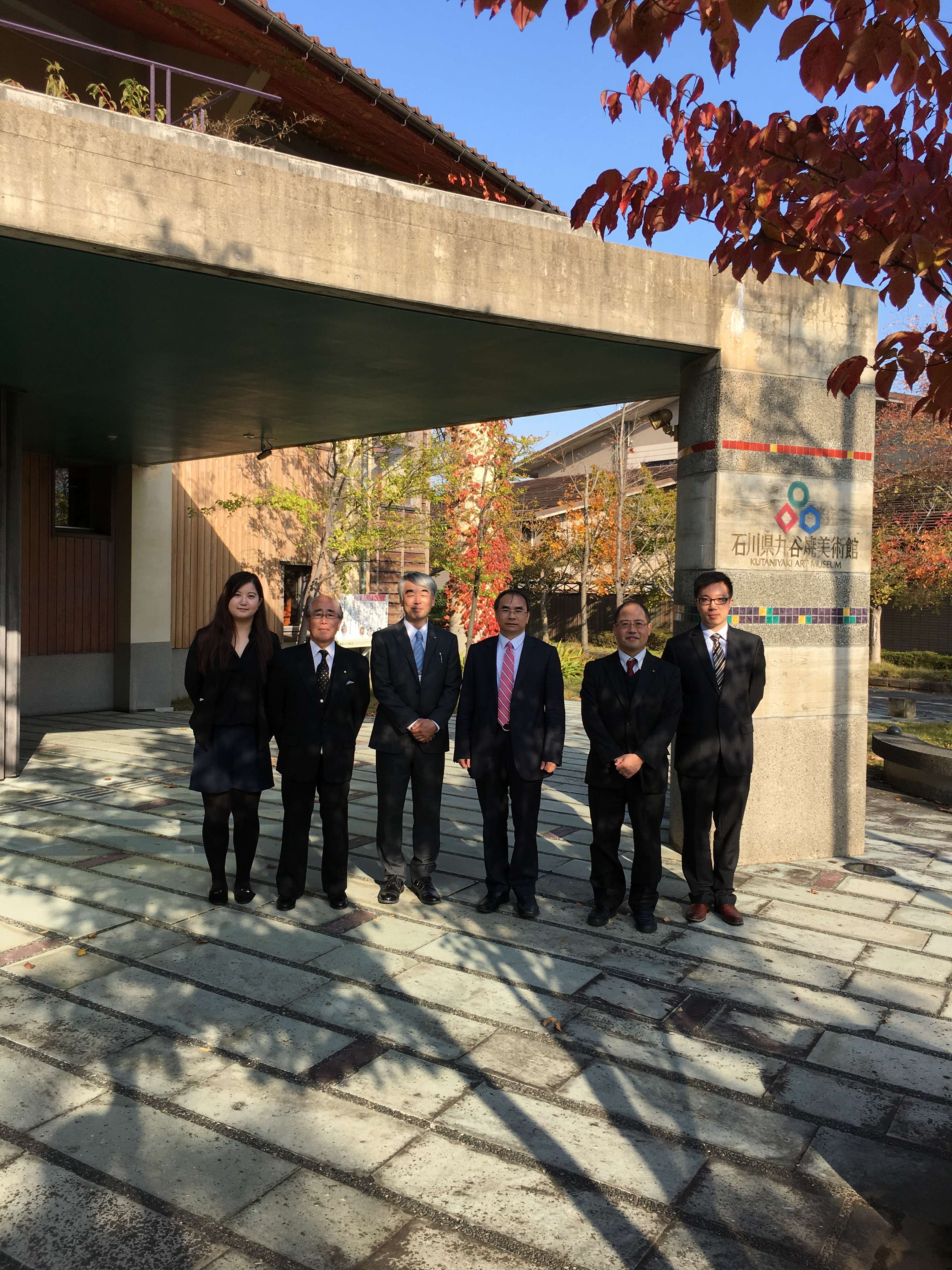
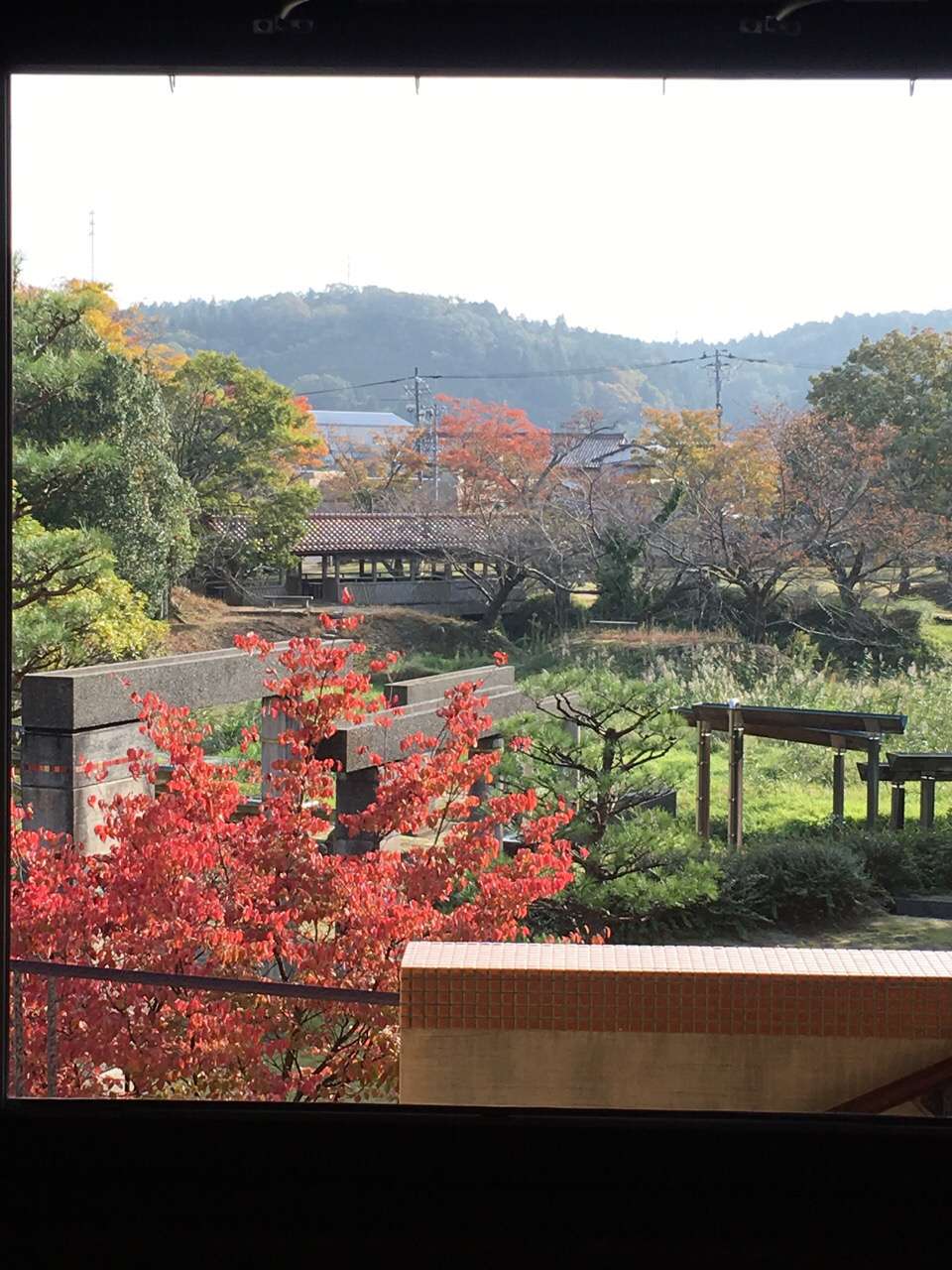
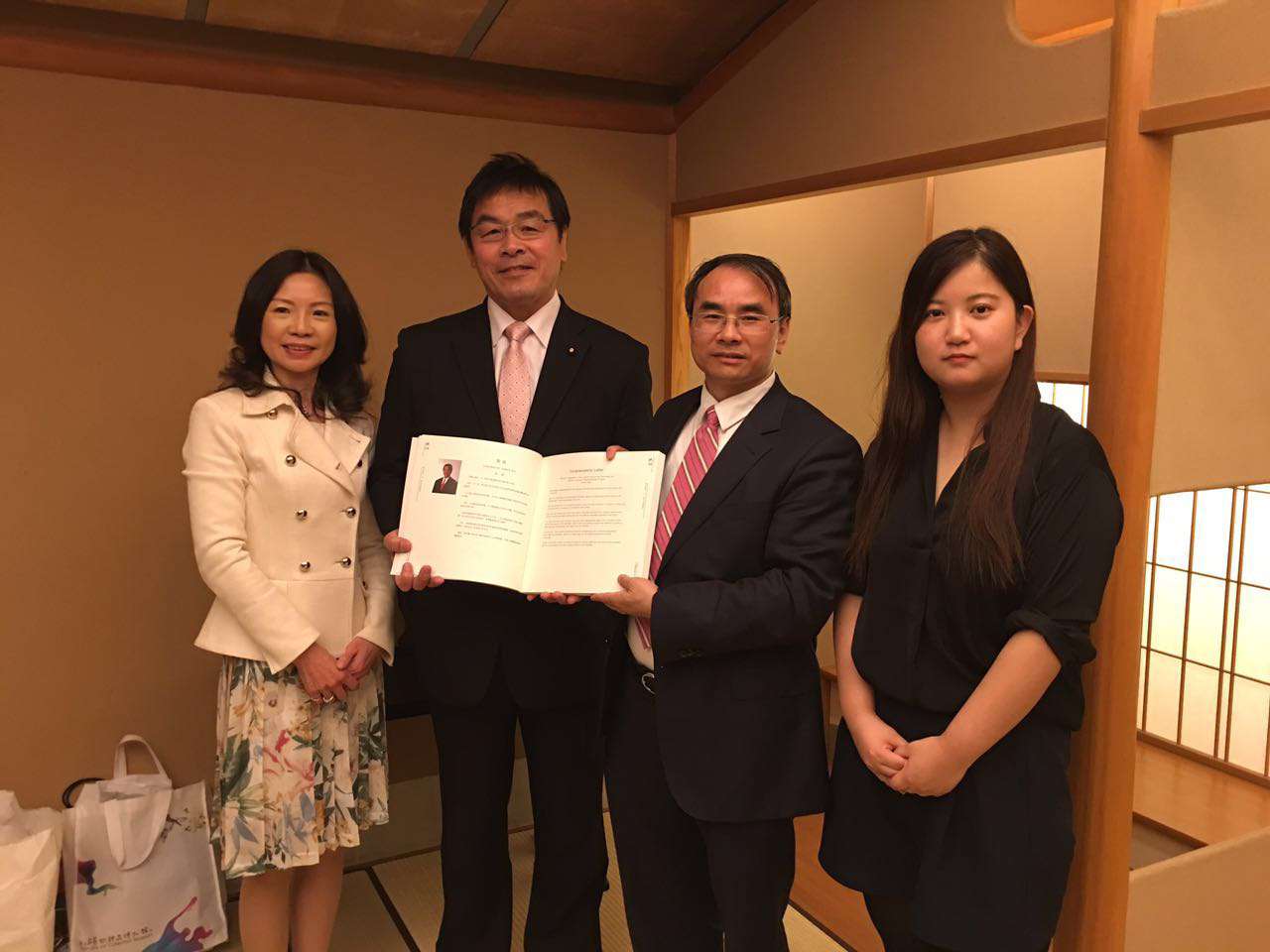
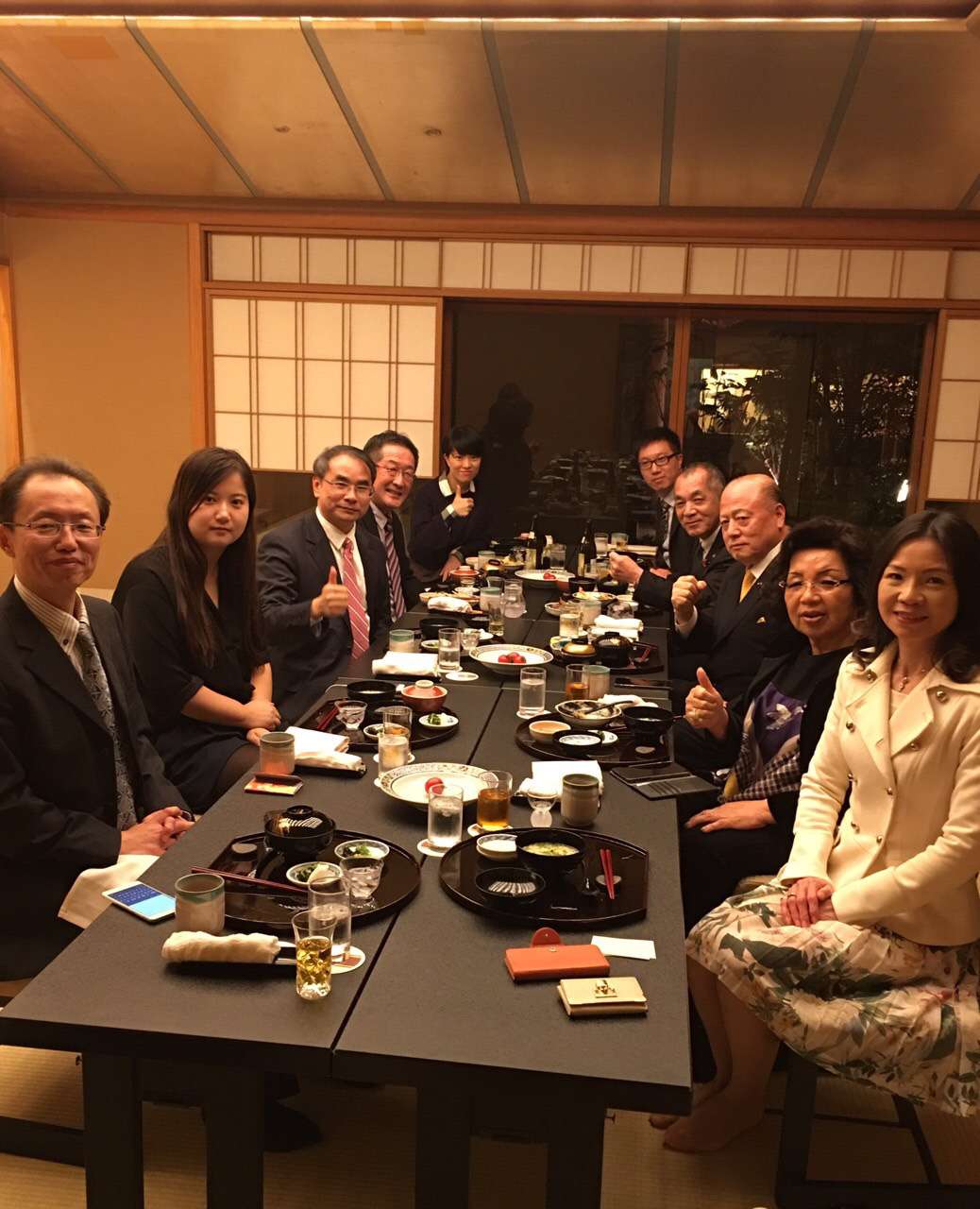
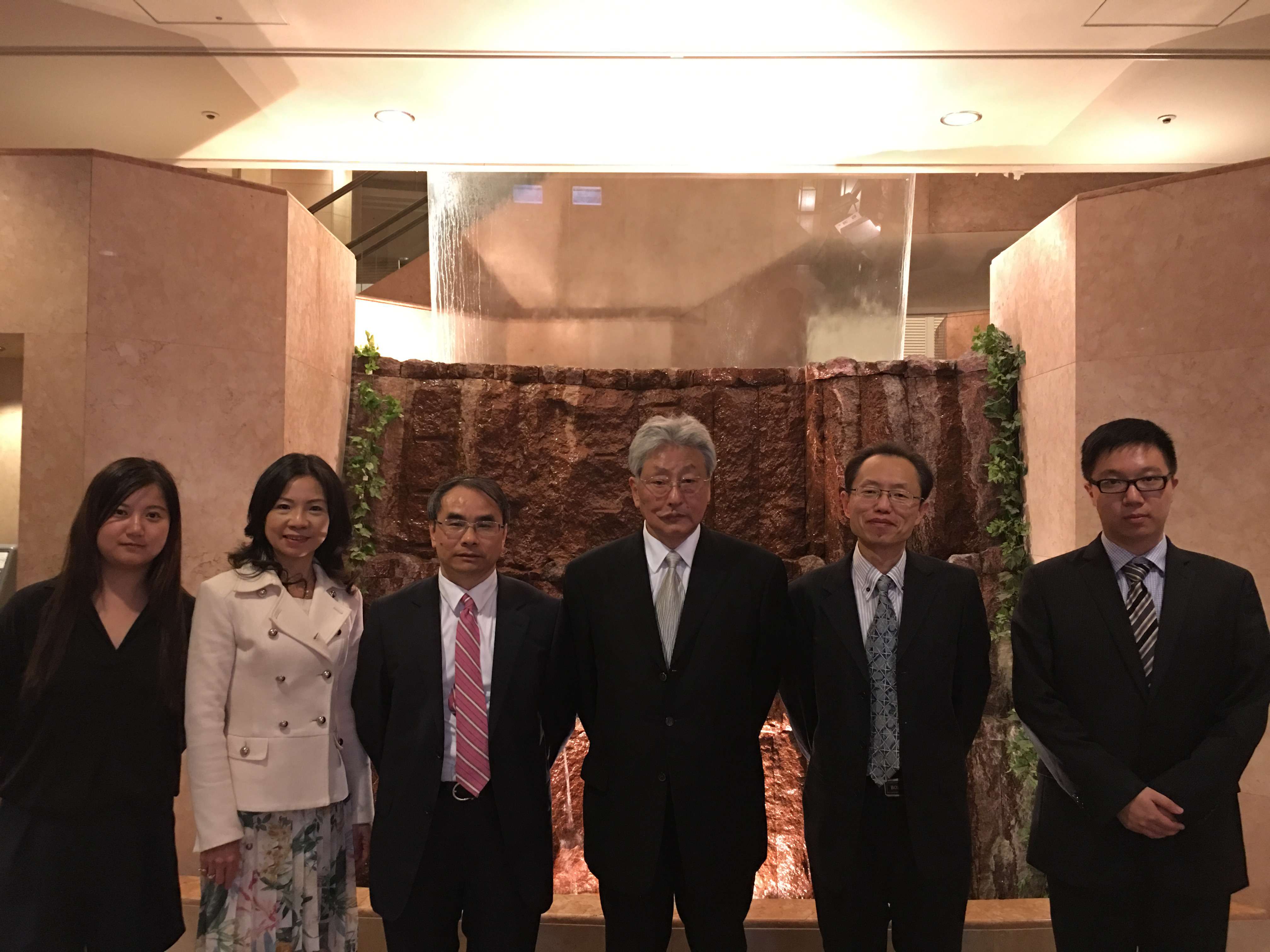
In the evening, the delegation had dinner with Mr. Isao Nakamura, former Assembly Speaker of Ishikawa Prefecture and Mr. Mitsuhiro Satoya, chairman of Wajima Chamber of Commerce and Industry, and gifted a catalog of this year’s 6th Chinese-Japanese-South Korean Art Exhibition to Mr. Hiroshi Hase, member of Japan’s House of Representatives and former Minister of Education, Culture, Sports, Science and Technology, who had written a congratulatory letter for the exhibition. Afterwards, the delegation also discussed with Living National Treasure Mr. Mamoru Nakagawa, who had participated twice in the previous exhibitions, on the museum’s future collaboration with Japan’s Living National Treasures.
On the morning of November 7, the delegation visited the Ohi Museum in Kanazawa. Inheritors of the Ohi-yaki (Ohi Pottery), Mr. Toshiro Ohi (10th Ohi Chozaemon) and Mr. Toshio Ohi (11th Ohi Chozaemon), had participated in multiple previous exhibitions, maintaining a long-time friendship with the museum. The delegation received warm reception from the Ohi family.
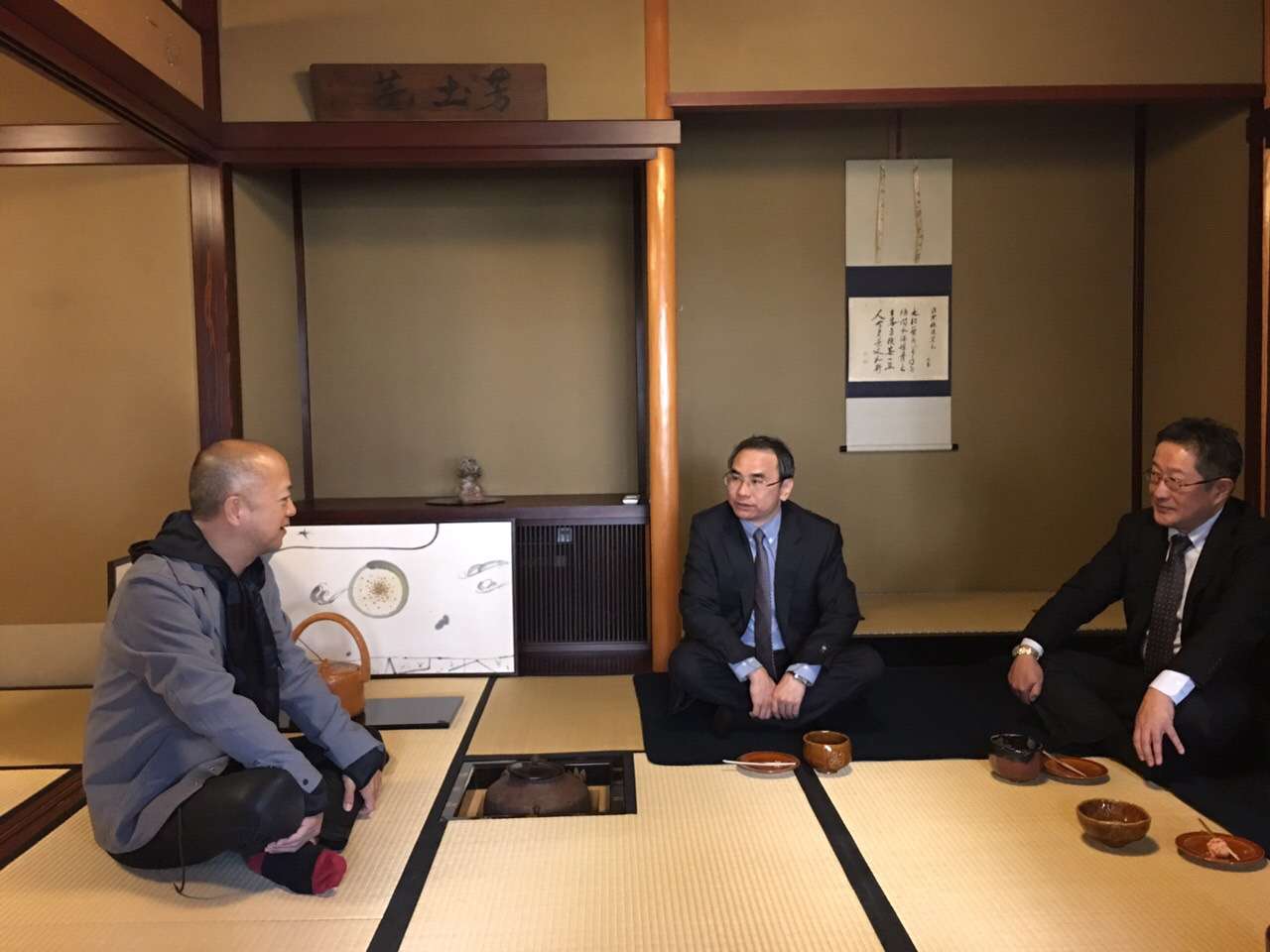
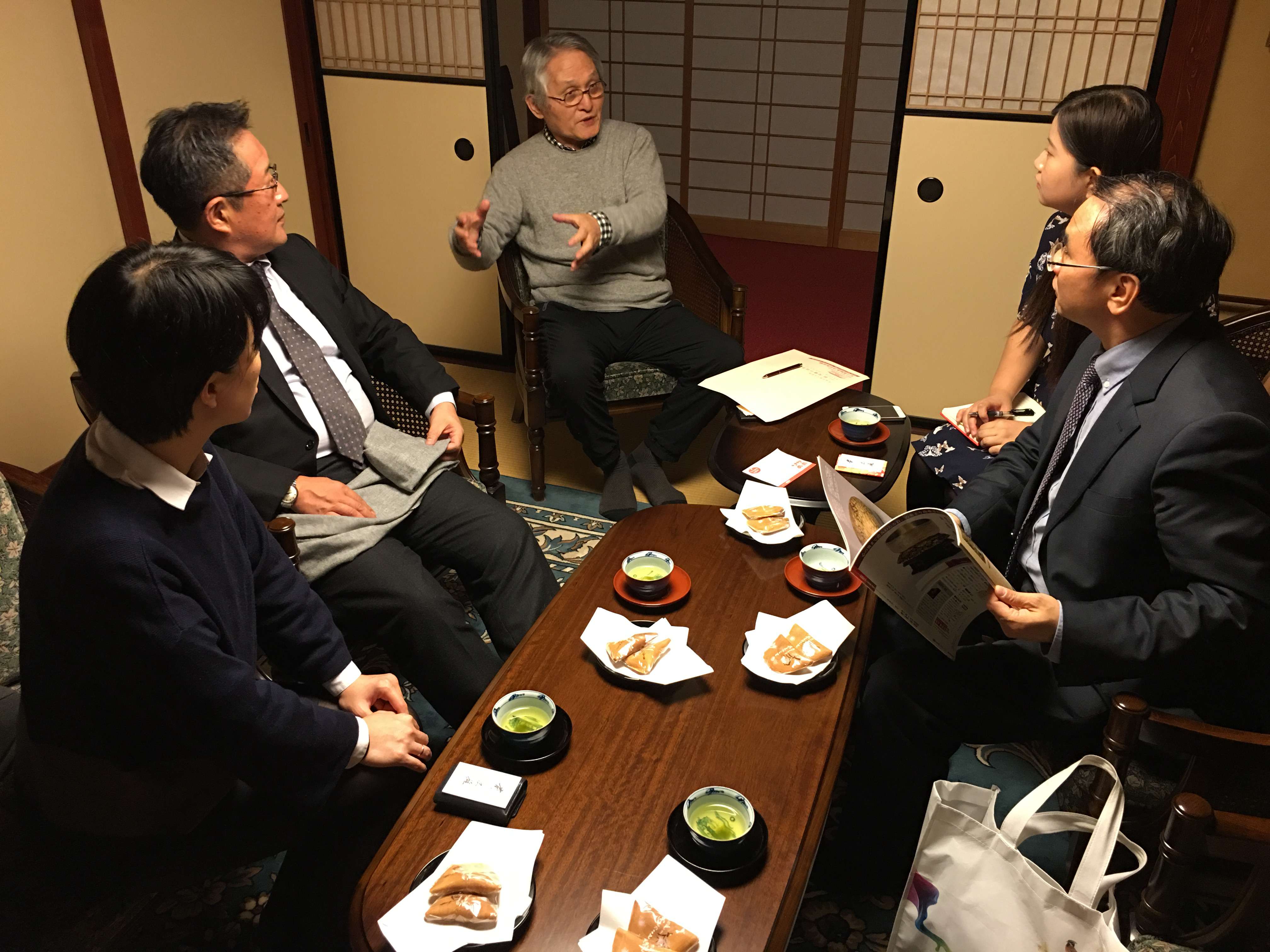
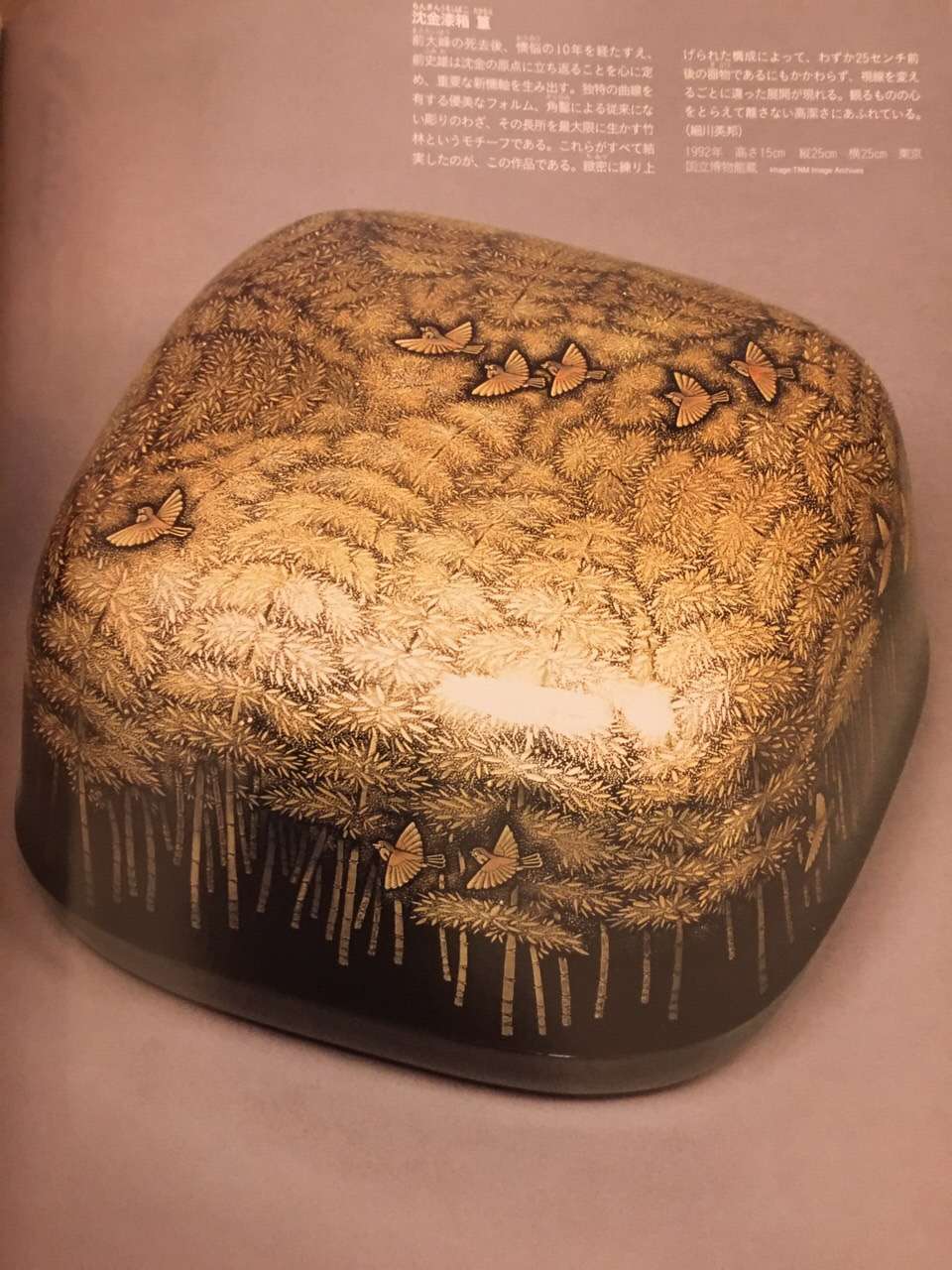
In the afternoon, the delegation arrived at Wajima, Ishikawa, a city known for its lacquerware art. In Wajima, the delegation visited Living National Treasure Mr. Kunie Komori, the Wajima Museum of Urishi Art, lacquer artist Mr. Hiro Sakita and Living National Treasure Mr. Fumio Mae. In the evening, the delegation also saw the night views of the world-famous Senmaida.
.JPG)
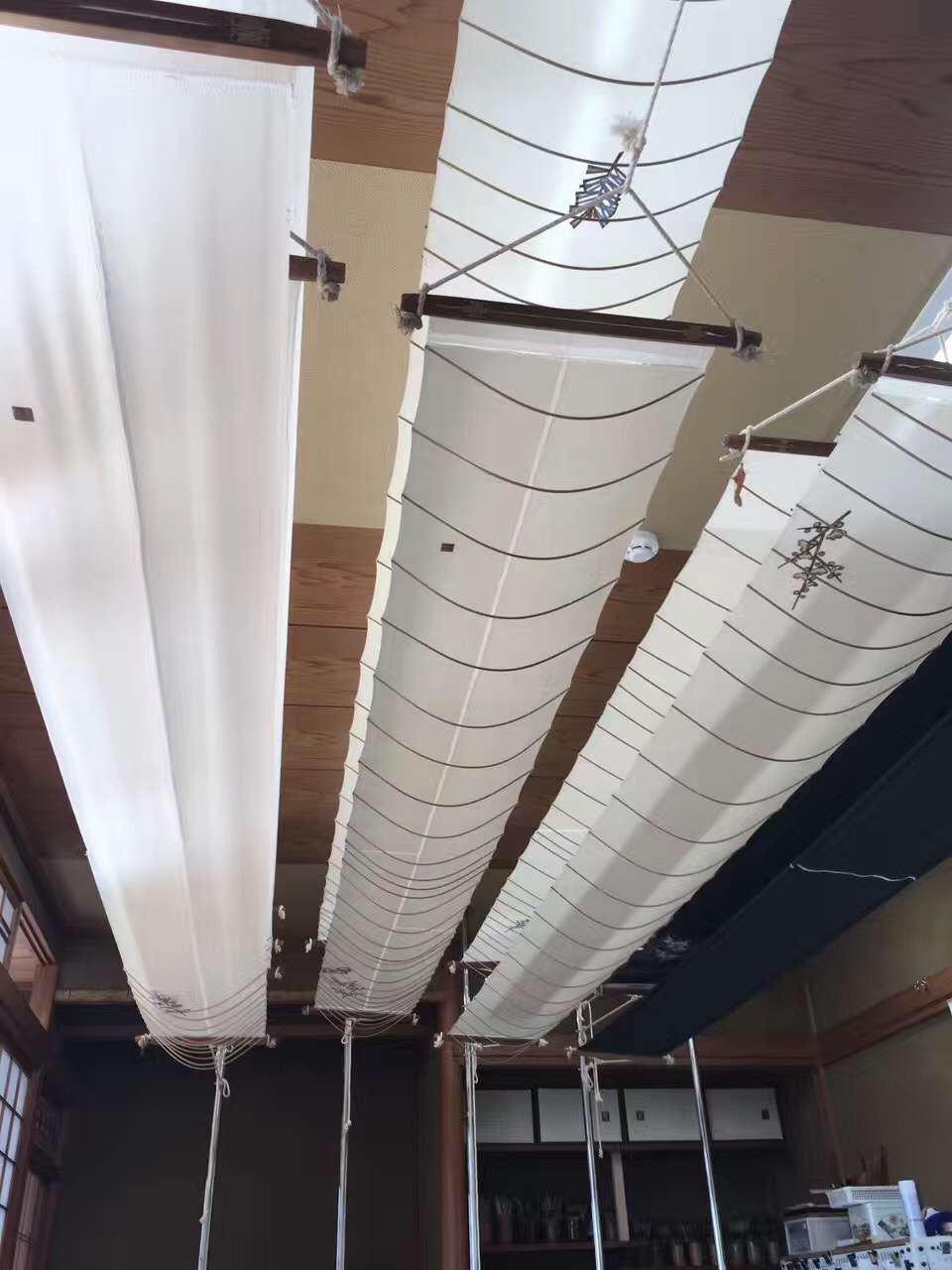
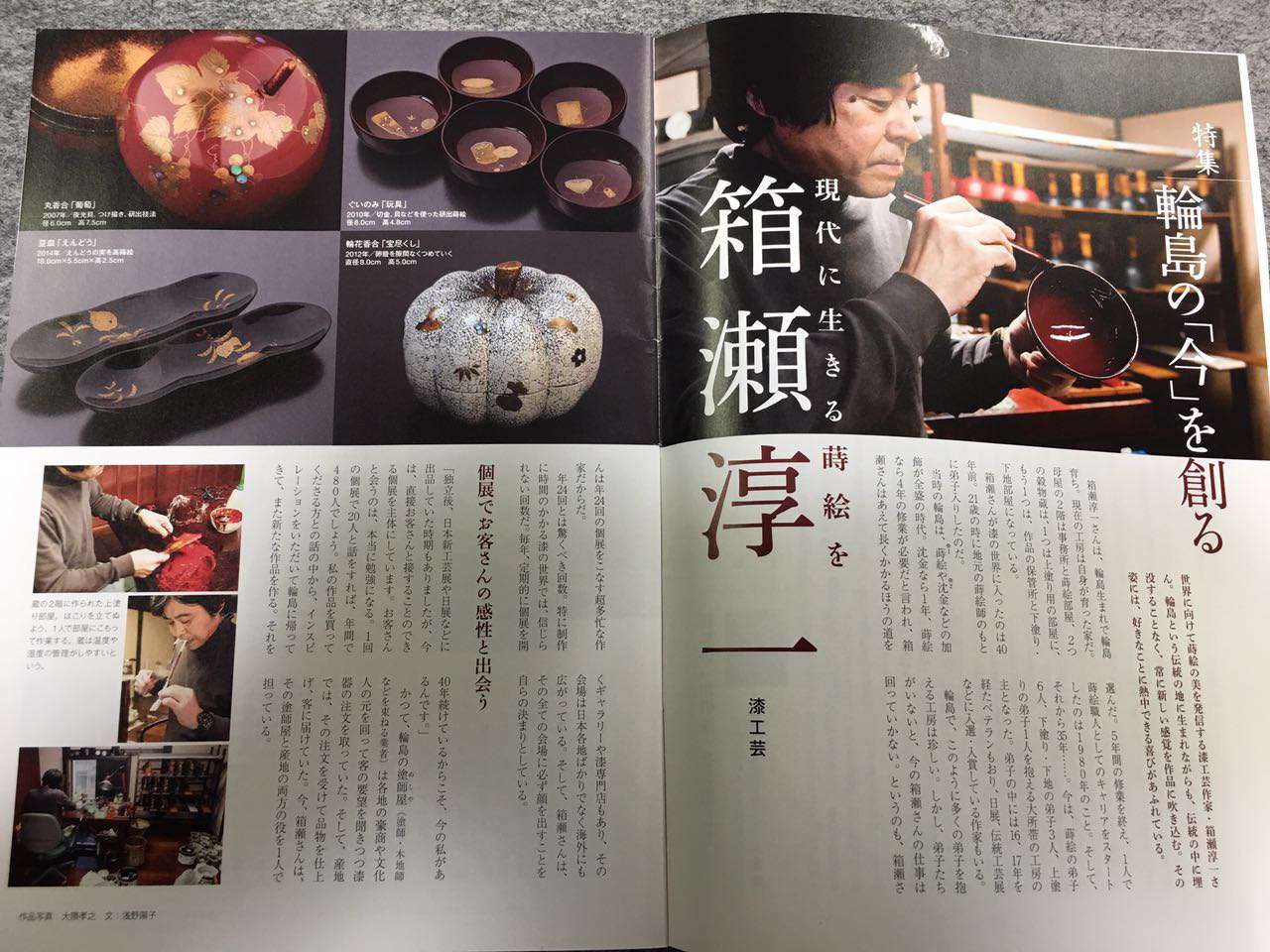
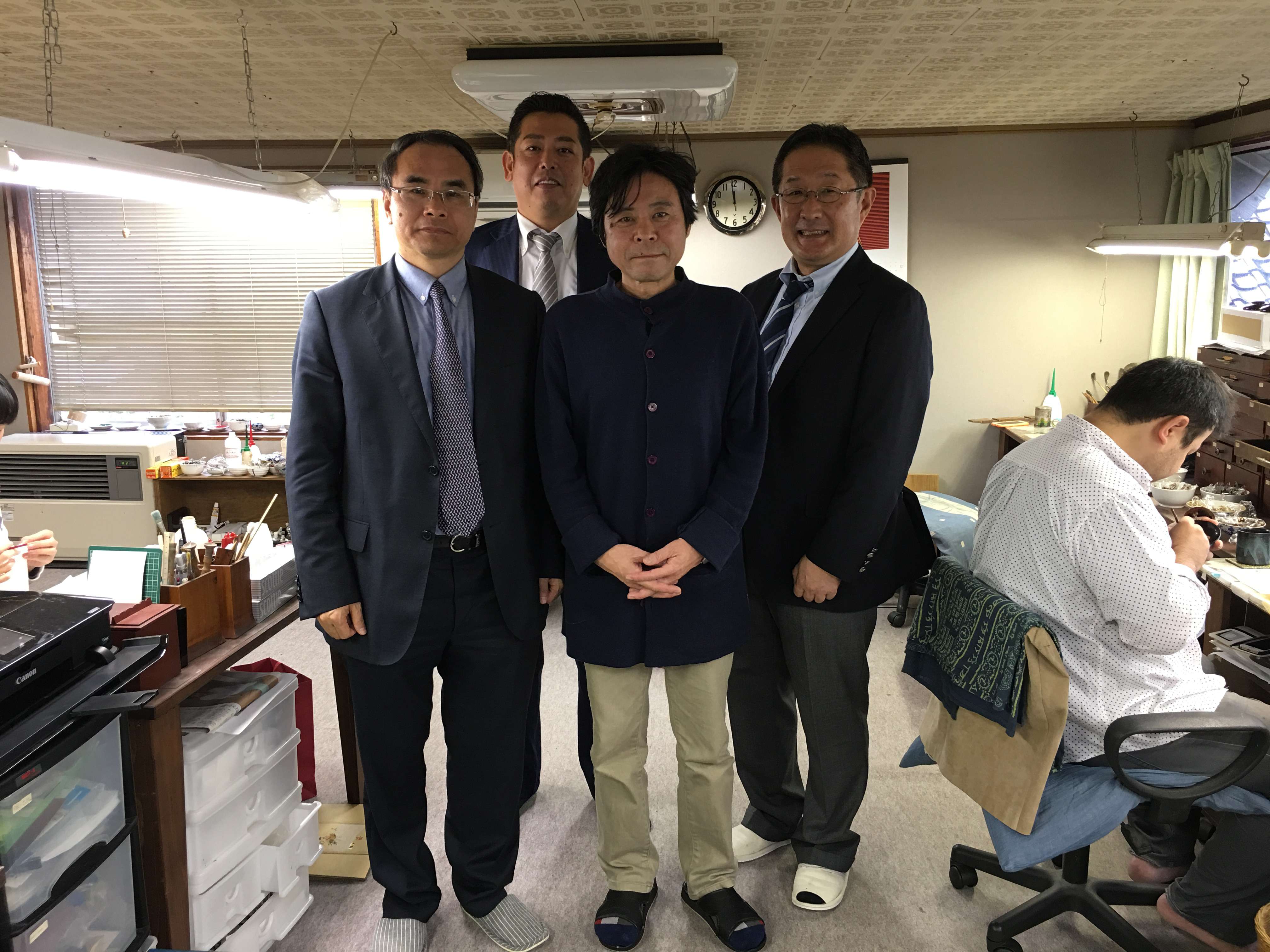
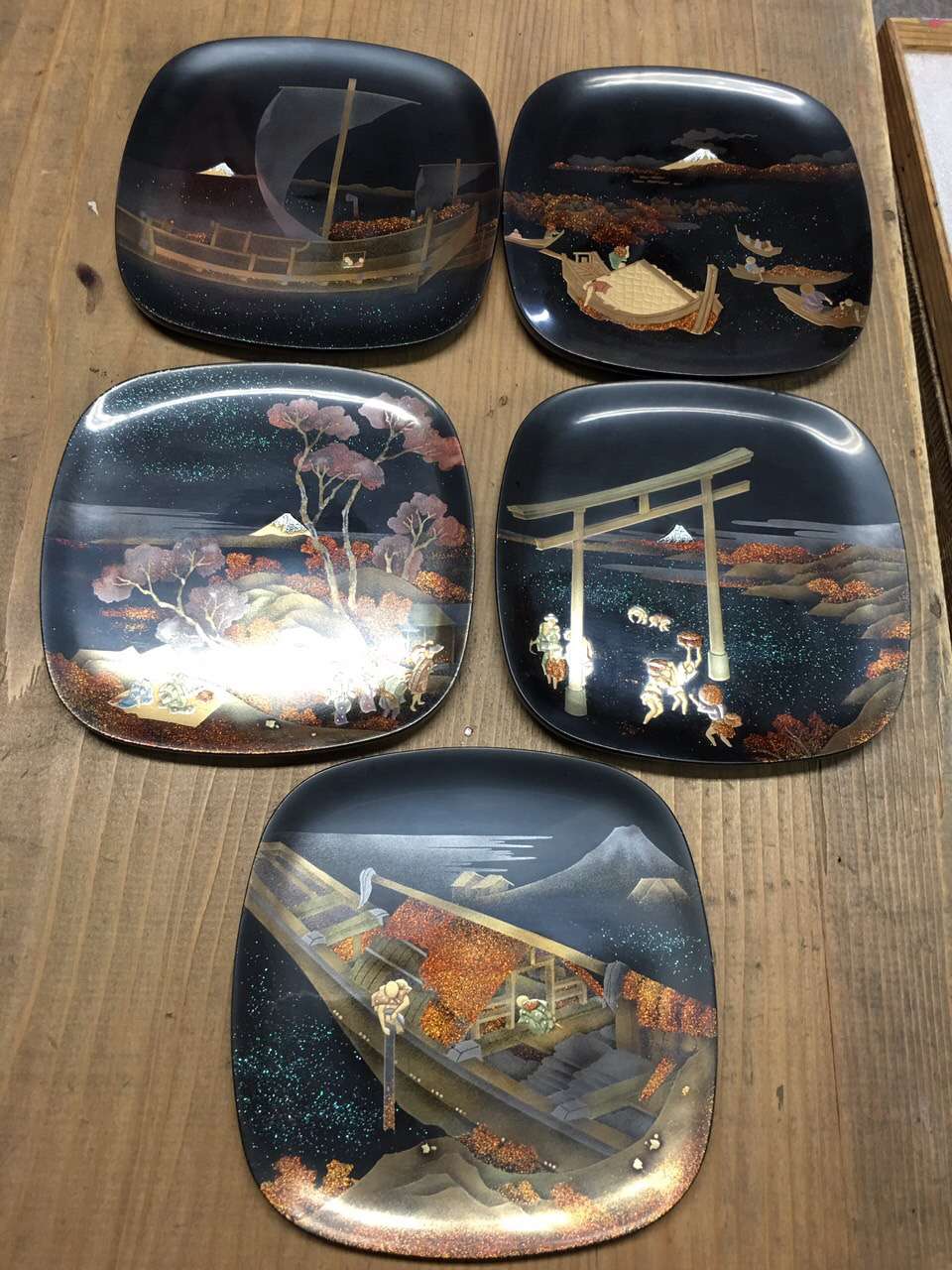
The next morning, the delegation visited the studio of lacquer artist Mr. Junichi Hakose, who had previously collaborated with multiple world-famous brands including Chanel and Van Cleef & Arpels. As one of Japan’s unique intangible cultural heritages, Wajima-nuri (Wajima Lacquer) has a complex process that includes 126 steps in total. The delegation were deeply impressed by the craftsmanship and persistence of its artists.
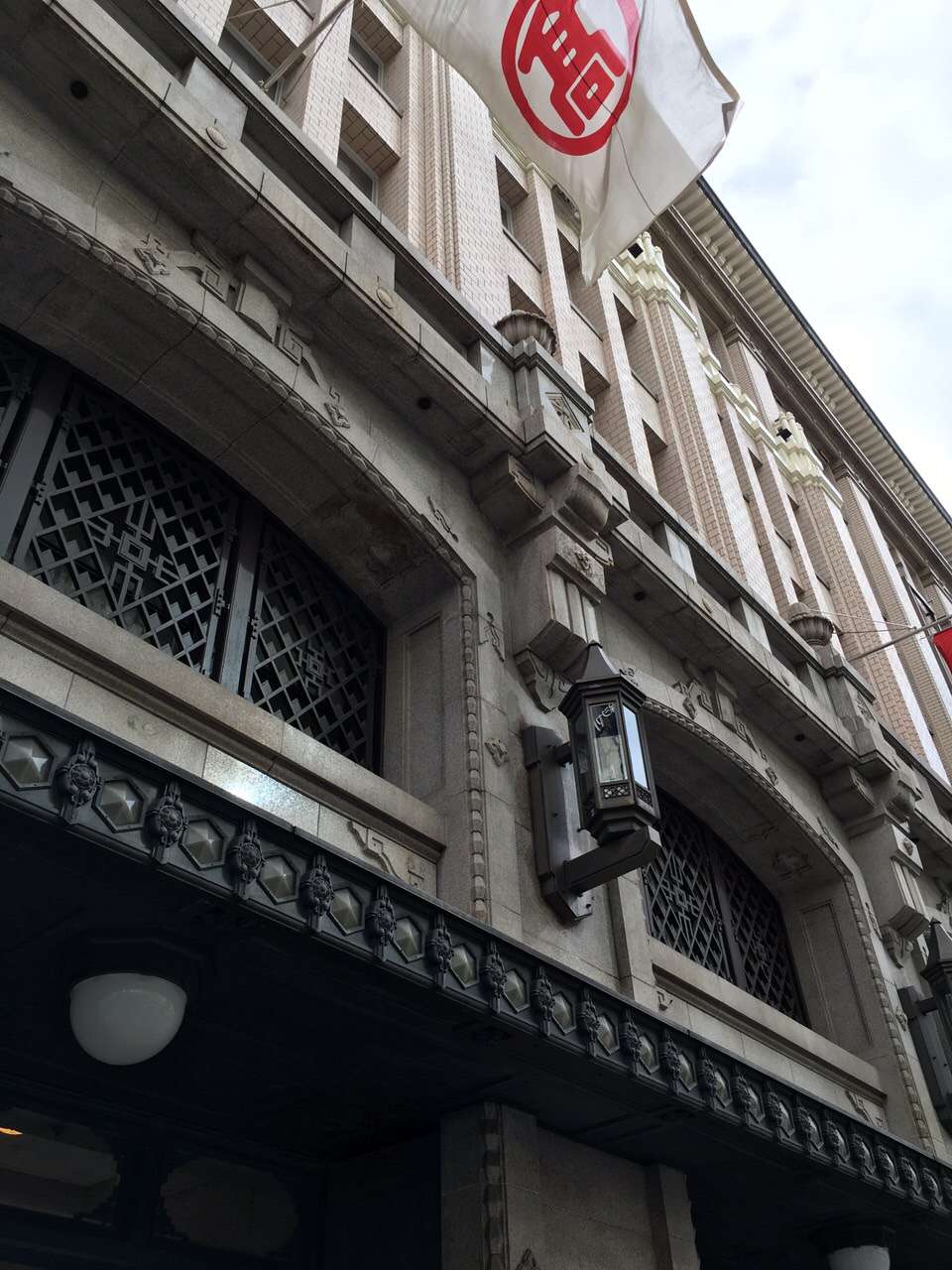
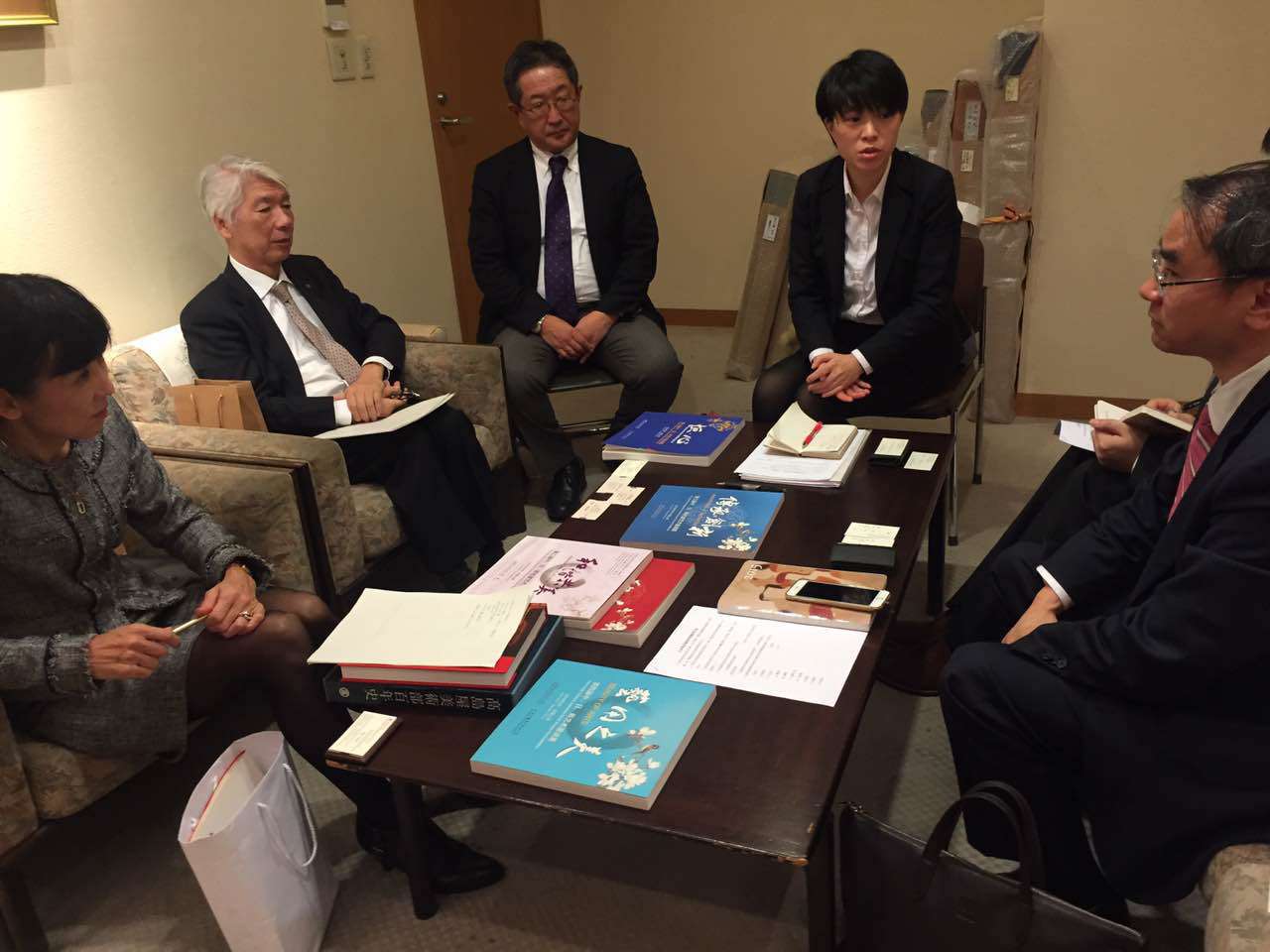
After departing Ishikawa Prefecture, the delegation flew to Tokyo, Japan’s capital. With the accompany of Mr. Tomoaki Komori, managing director of Shanghai Takashimaya, the delegation visited the Fine Arts Division at the headquarters of Takashimaya in Nihonbashi, Tokyo and met general manager Ms. Nobuko Kaga and adviser Mr. Kazuo Nakazawa.
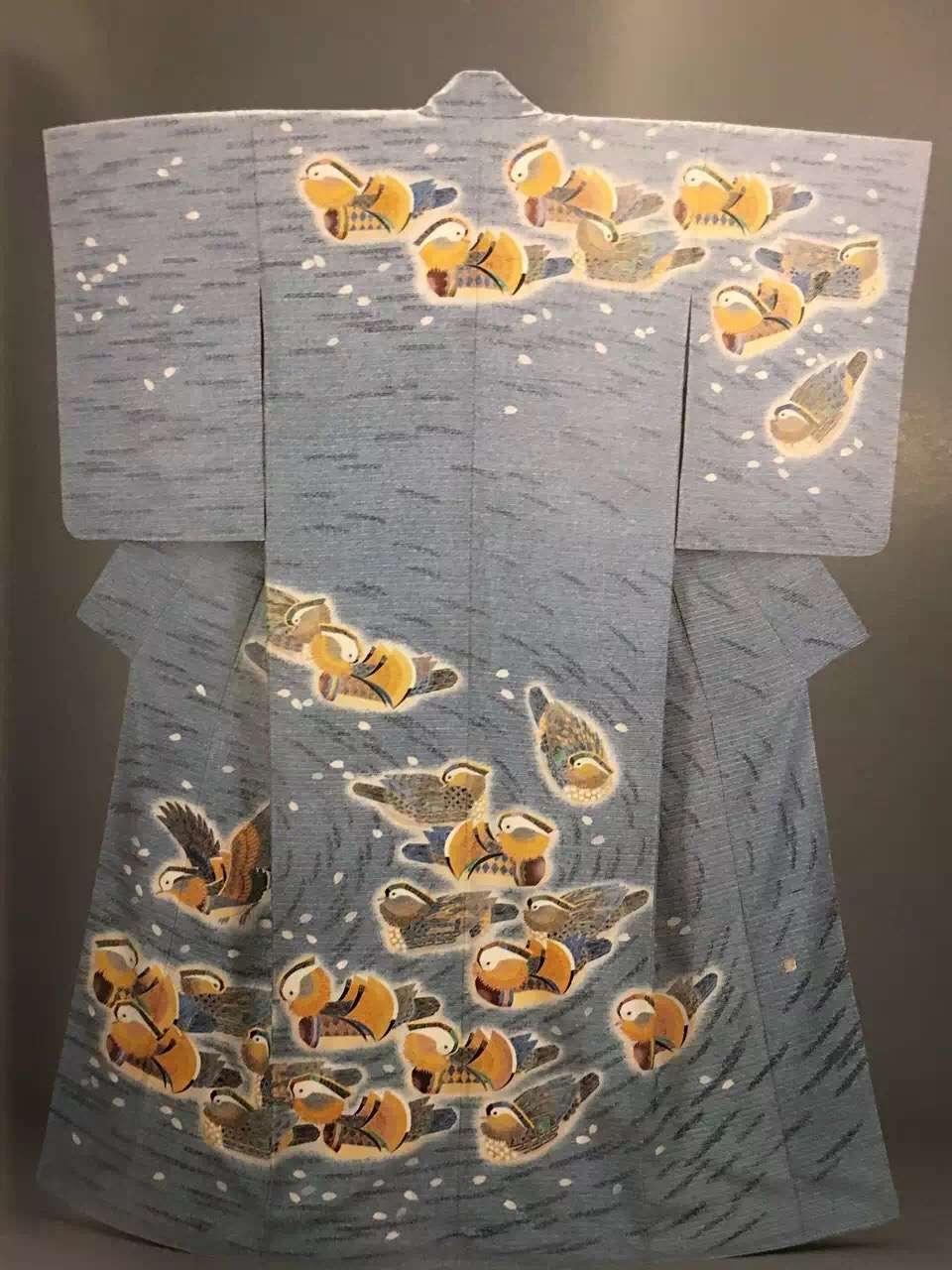
As Japan’s largest high-end department store, Takashimaya has a Fine Arts Division with 108 years of history. The representatives from the Fine Arts Division shared the division’s history and strategy with the delegation, providing significant inspirations for the museum’s development in art-business collaboration. Afterwards, the delegation visited the Gofuku (Japanese kimono) gallery; Mr. Yoshimasa Ikeda, director of the Gofuku Division, proudly introduced the history, development and materials of its Gofuku collection.
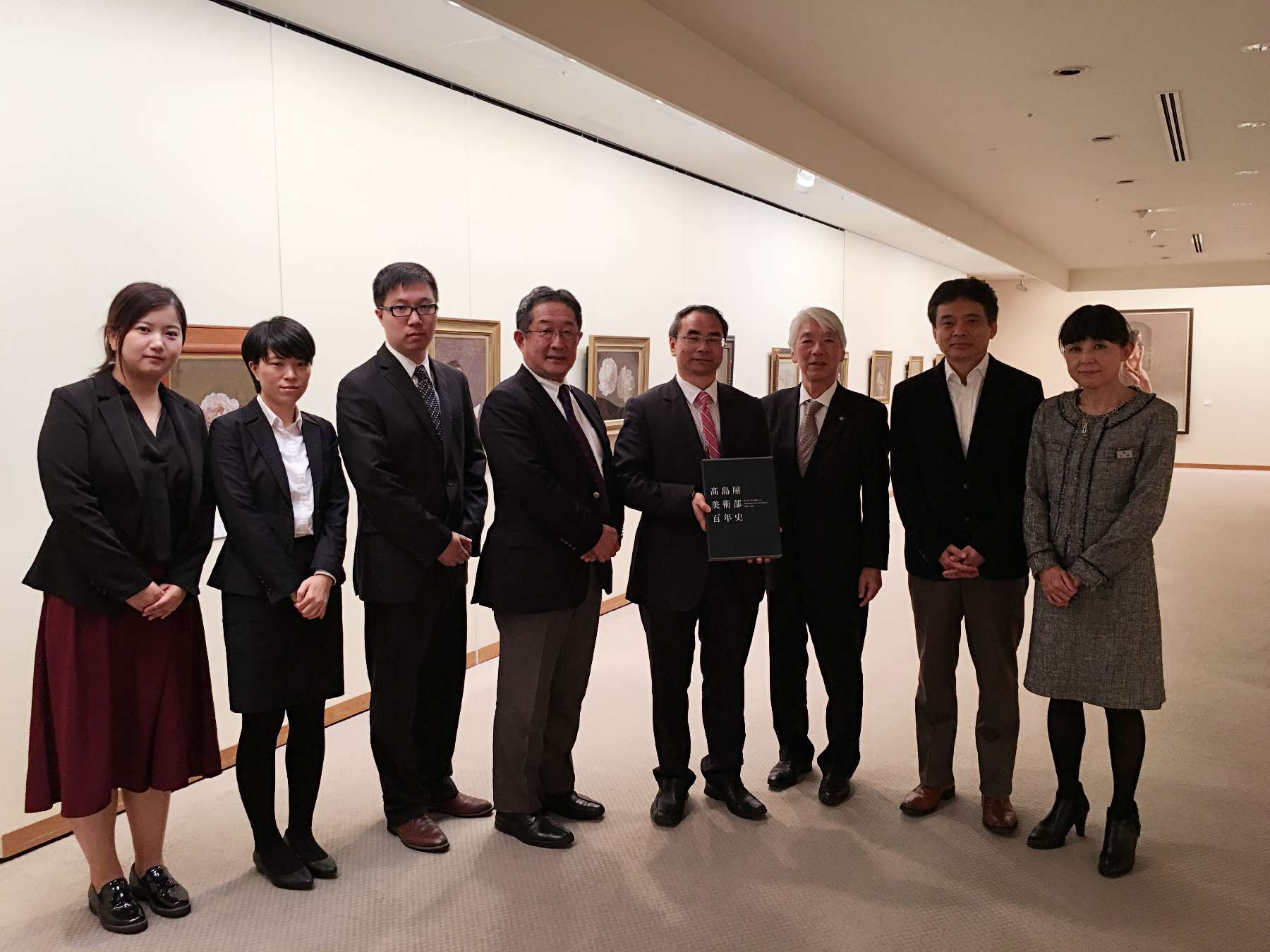
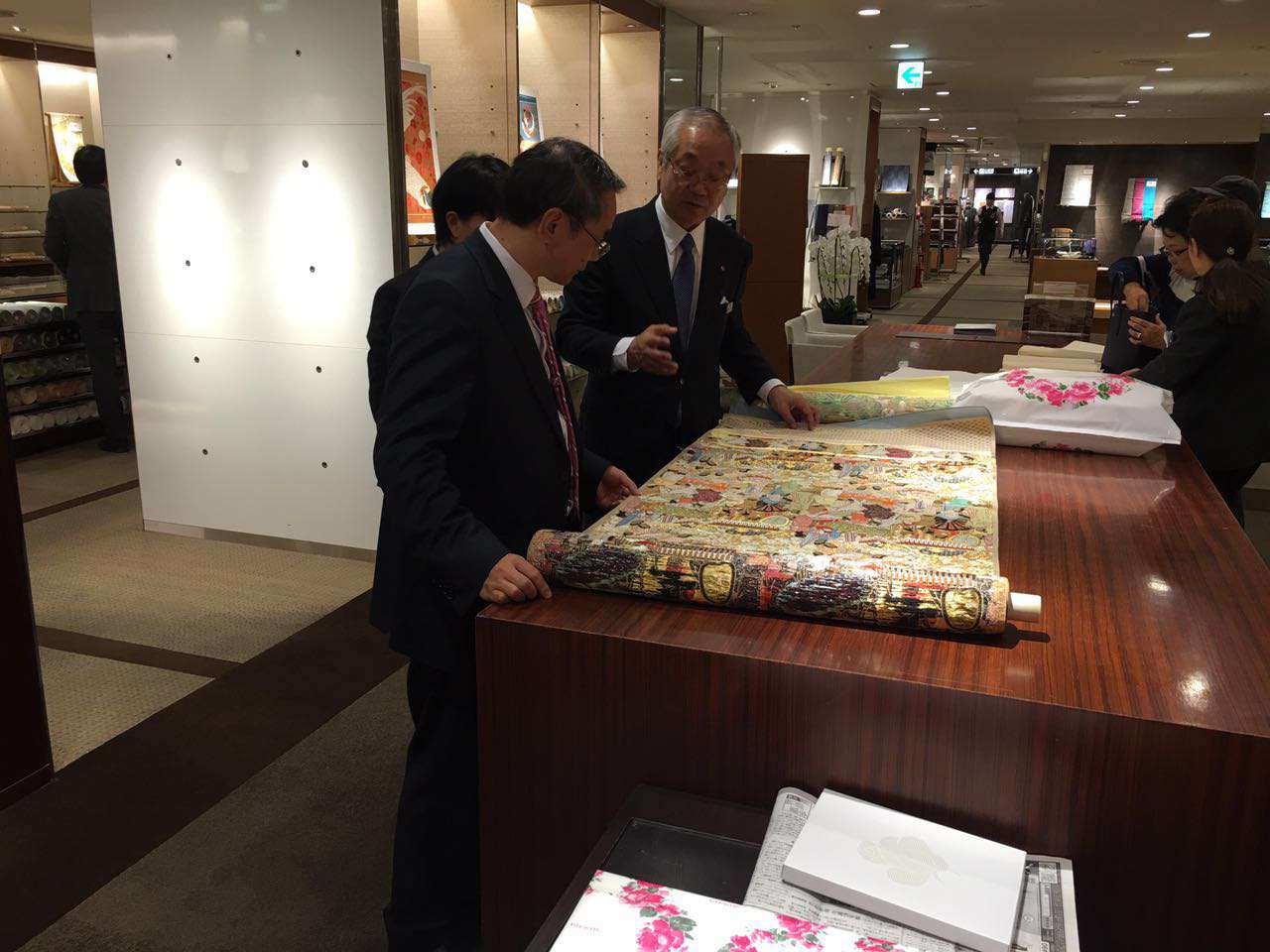
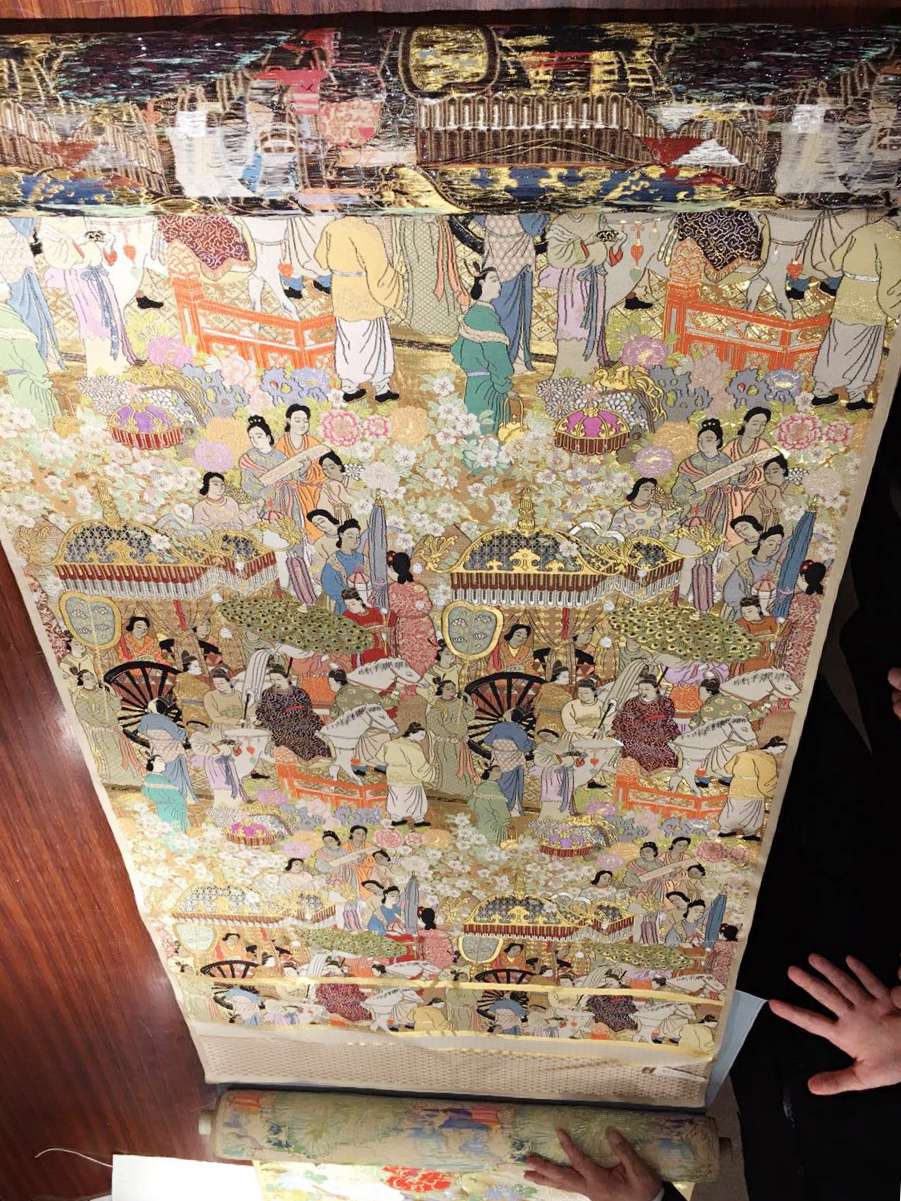
Before departing Tokyo, the delegation went to the National Art Center Tokyo for the annual “Nitten” - Japanese Fine Arts Exhibition. As one of Japan’s most prestigious fine arts exhibitions, the Nitten includes Japan’s highest-level artists and finest works in all forms of arts. At the Nitten the delegation was especially pleased to find works by several artists met during this visit, as well as many others who had previously attended the Chinese-Japanese-South Korean Art Exhibitions.
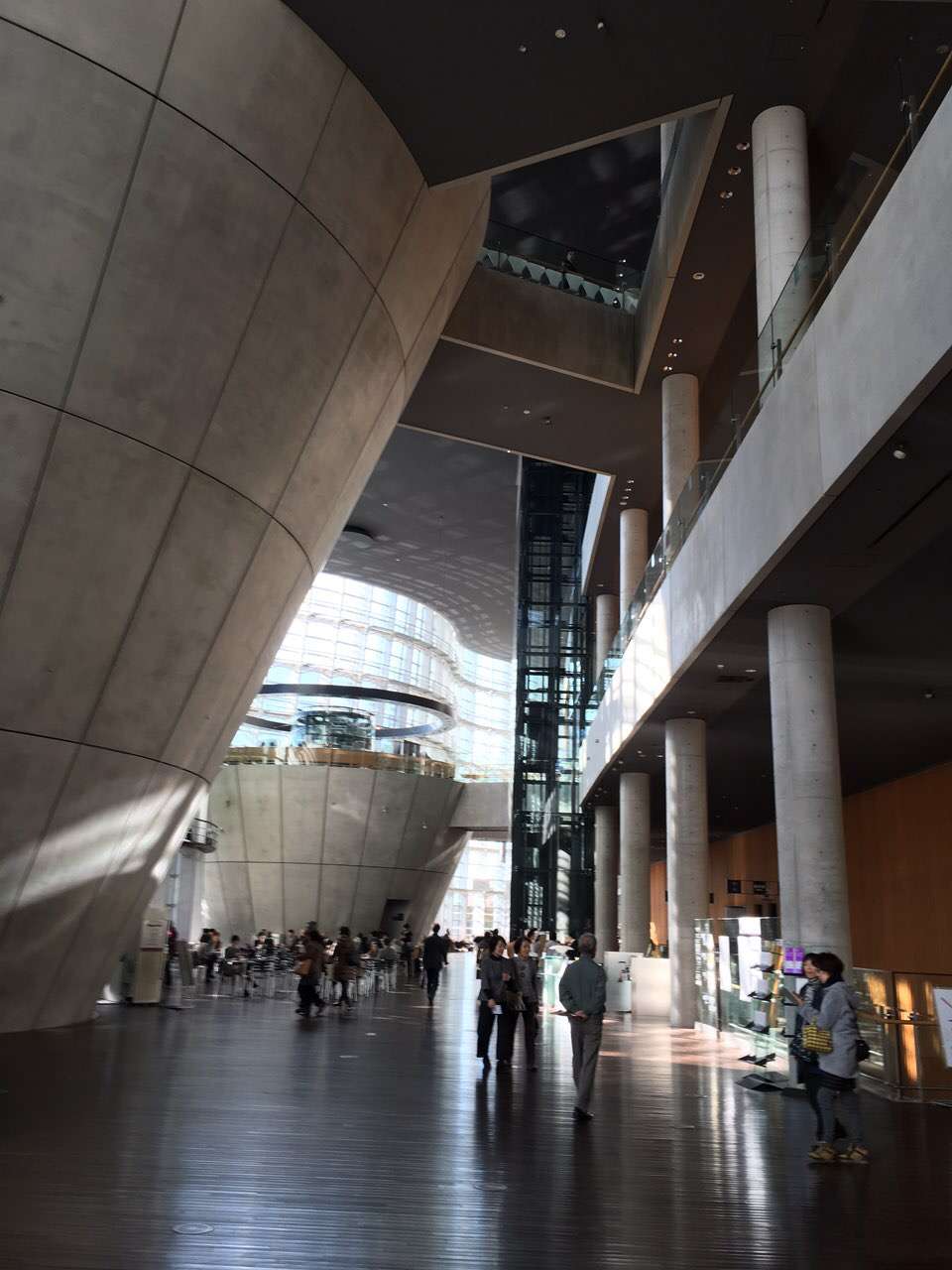
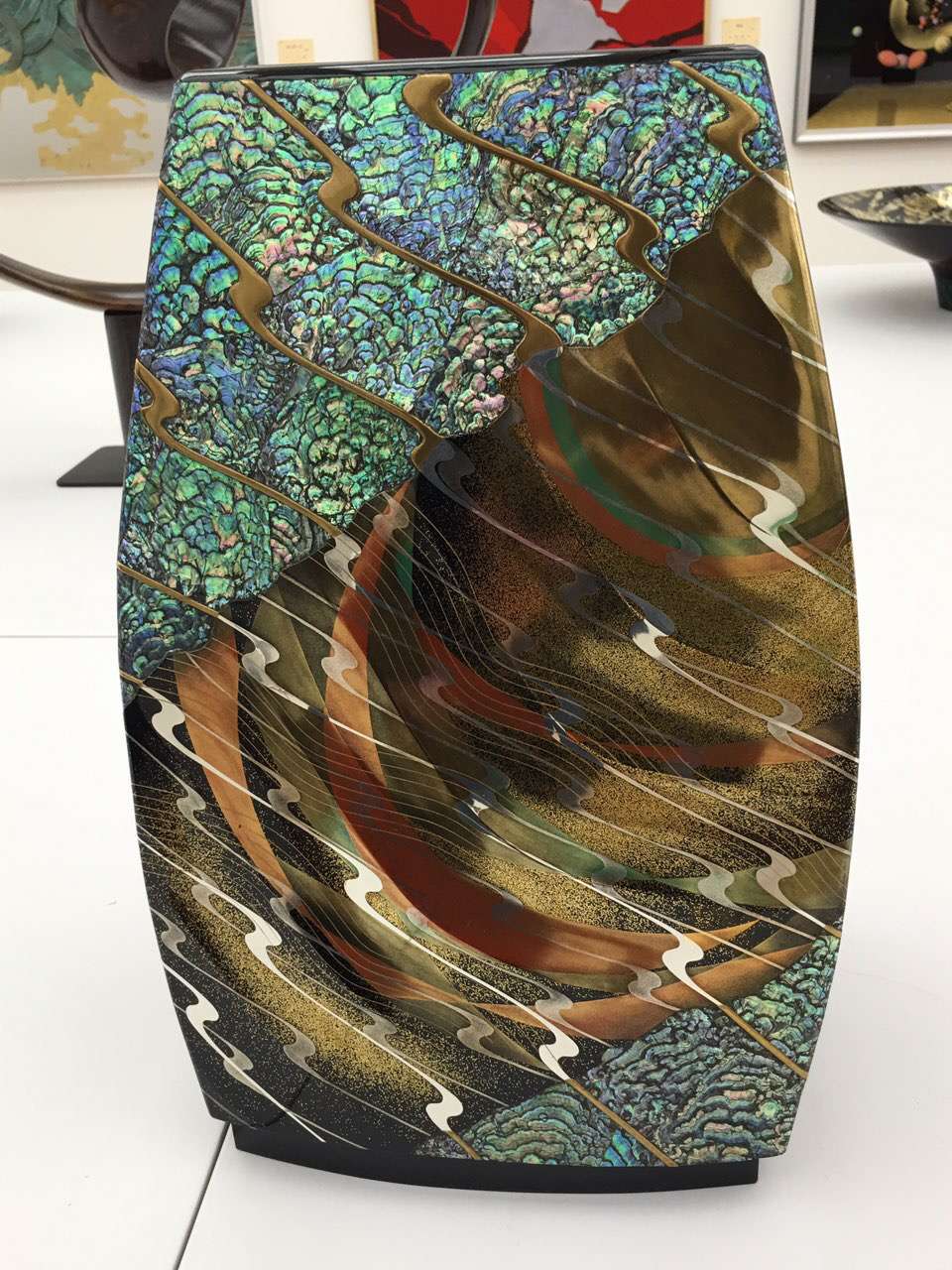
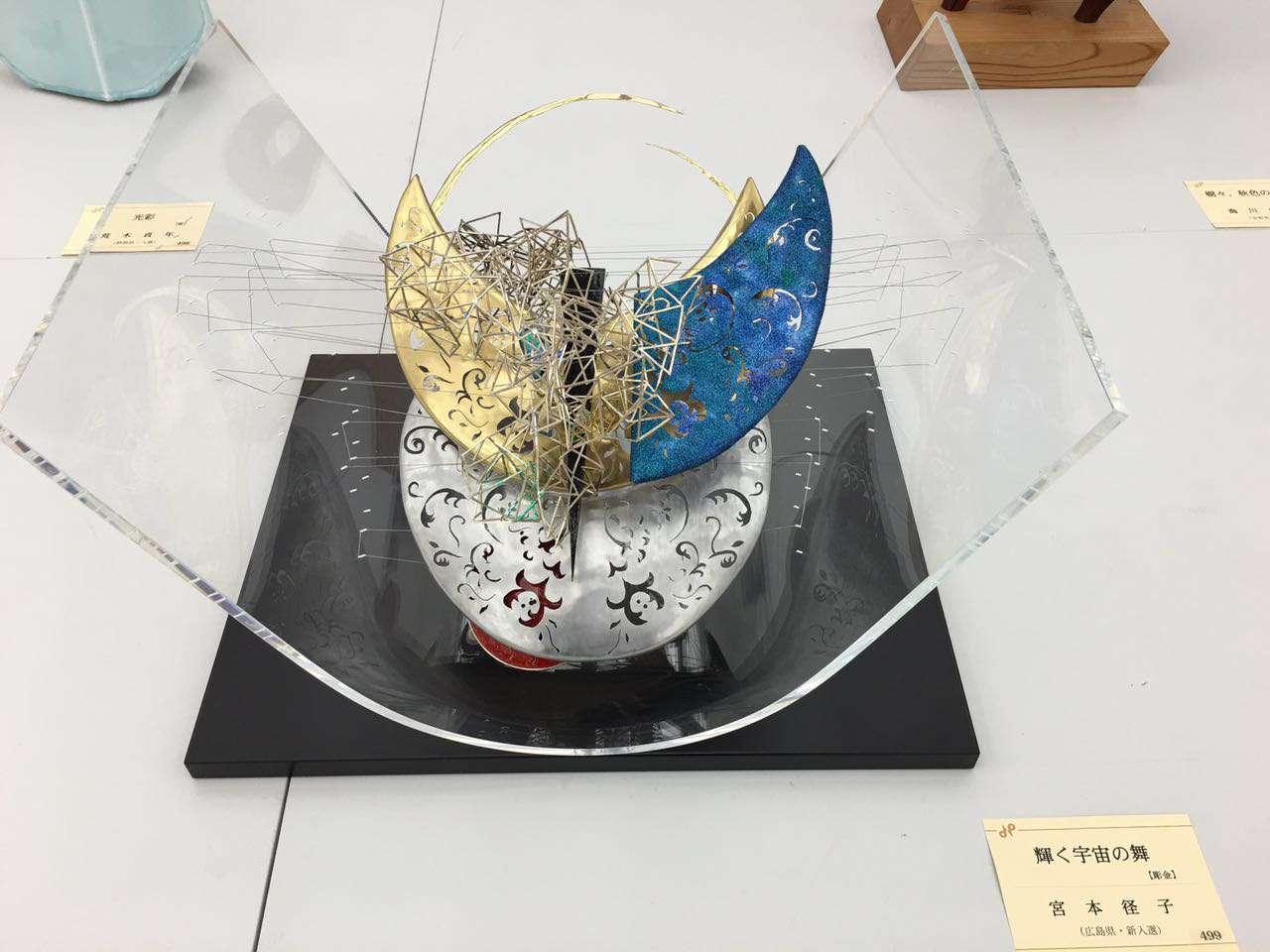
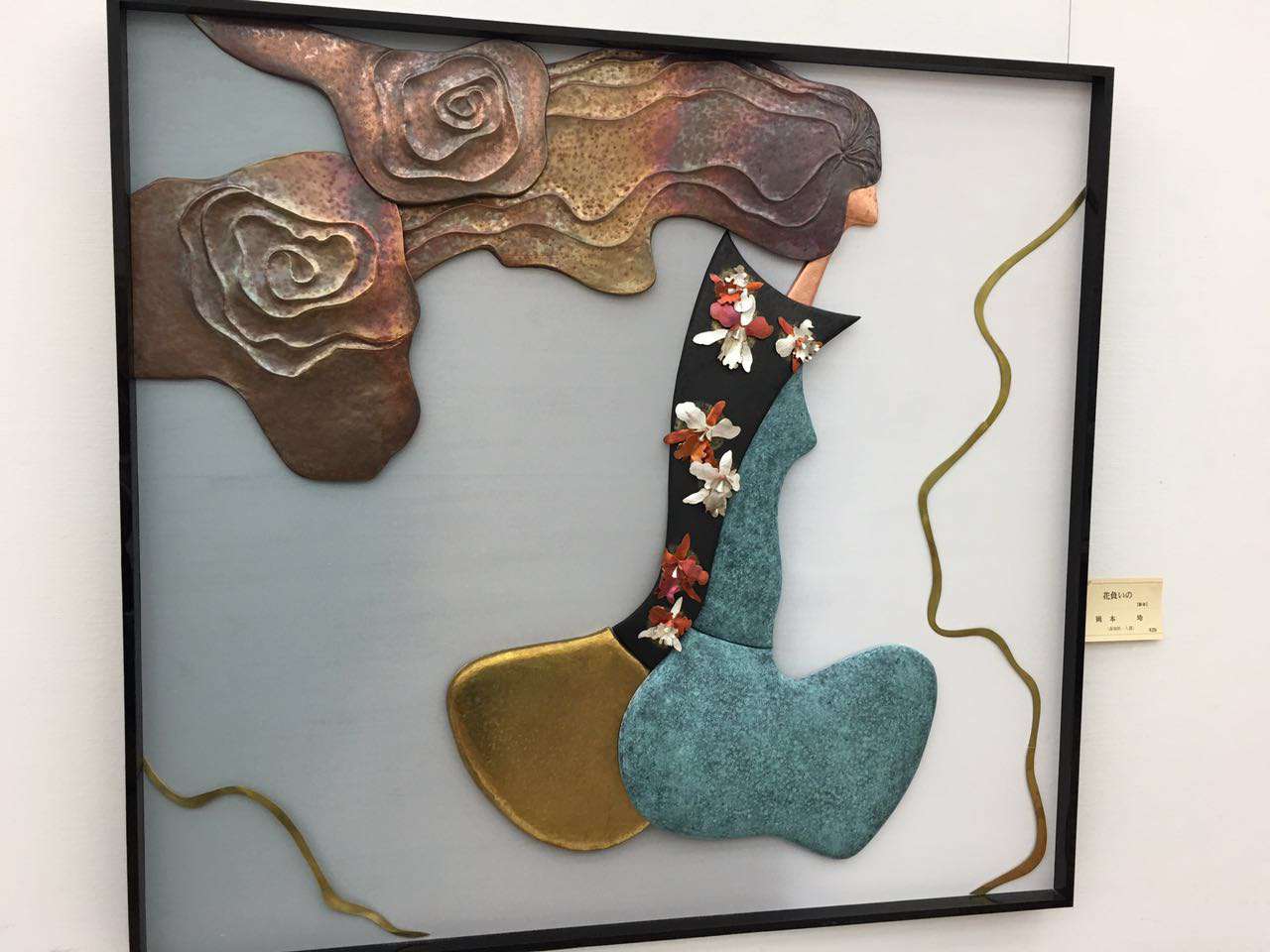
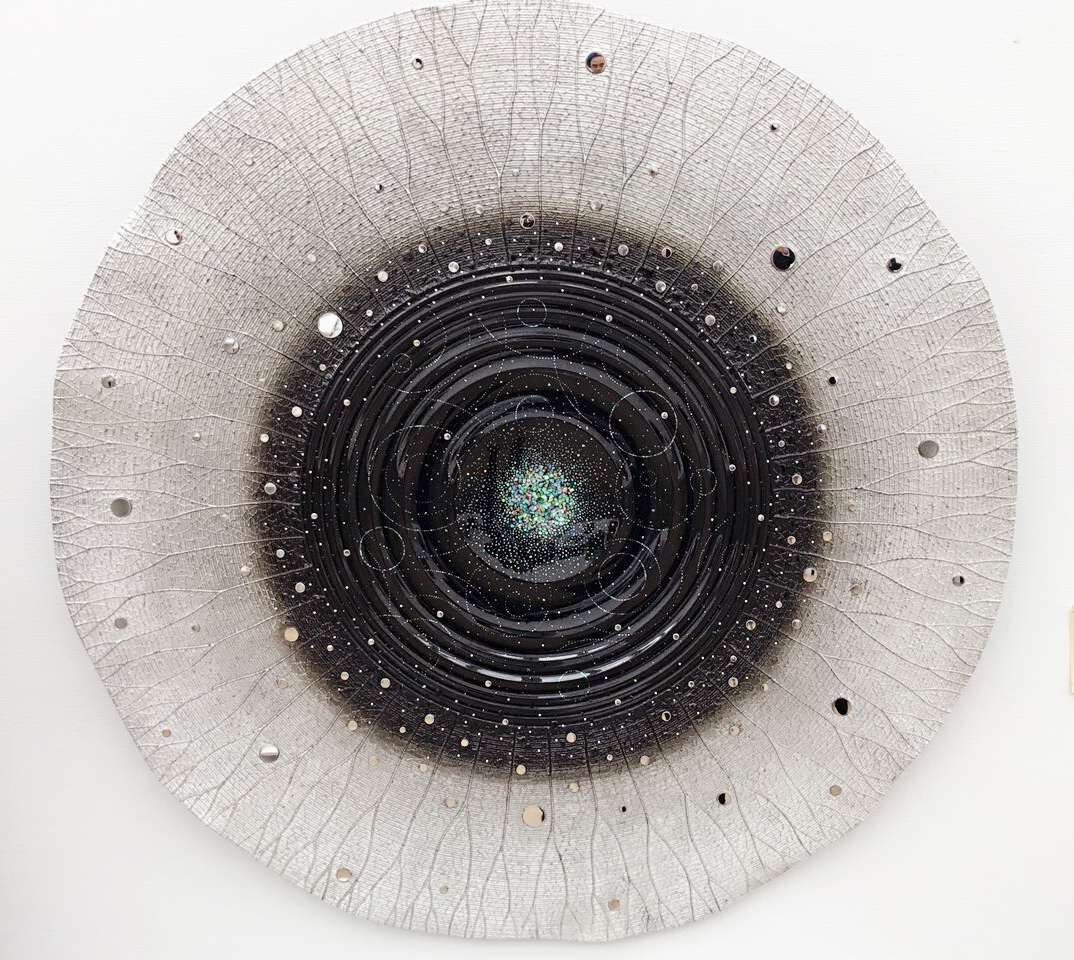
Successfully concluding this fruitful visit, the delegation departed for Shanghai, with the hope of further strengthening the cultural exchanges between China and Japan in the future.